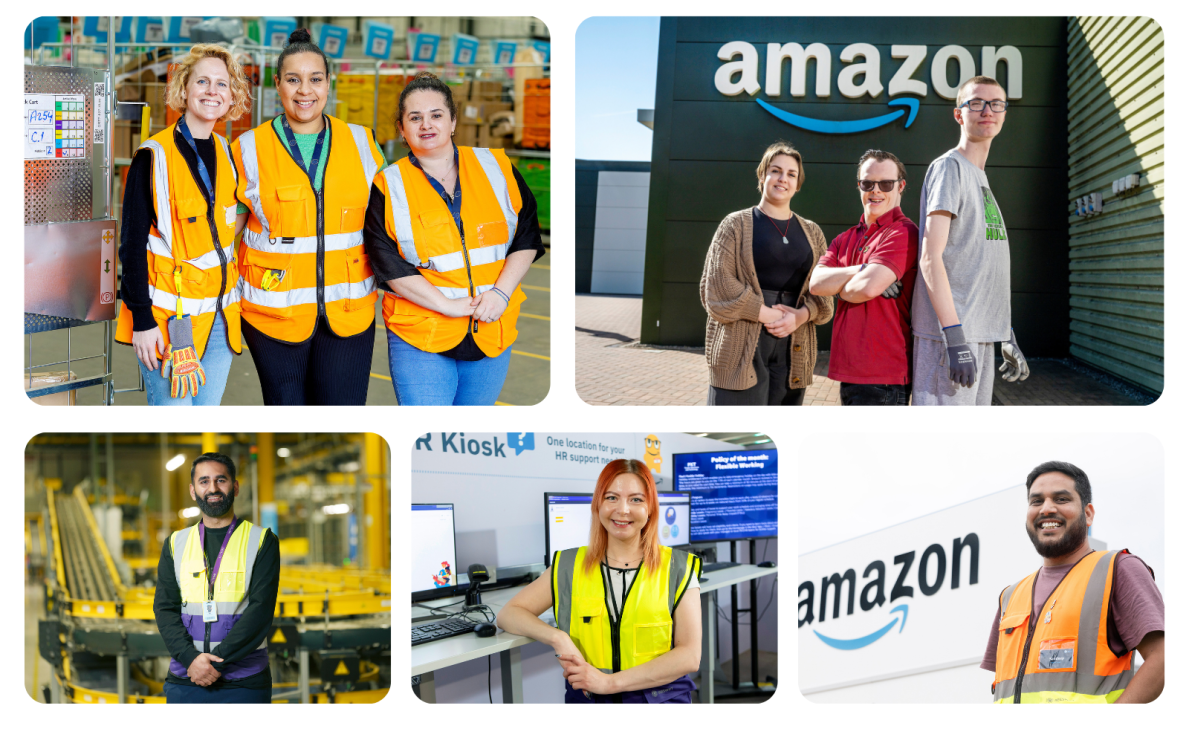
AWS first launched an AWS Region in the UK in December 2016, and over the last few years, we have continued to expand the Region to include four Availability Zones, two WaveLength Zones, two Edge Locations, and a Regional Edge Cache.
In 2024, AWS announced plans to invest £8 billion over five years (2024-2028) building, operating, and maintaining data centres in the UK. This investment is part of the company’s long-term commitment to supporting growth and productivity across the country, and is estimated to contribute £14 billion to the UK's total Gross Domestic Product (GDP) through to 2028, and support an average of more than 14,000 full-time equivalent (FTE) jobs on an annual basis at local UK businesses. These positions all form part of the AWS data centre supply chain, ranging from construction, facility maintenance, engineering, telecommunications, and other jobs within the broader local economy.
Today, organisations of all sizes and across all industries are using AWS – from the fastest growing startups to small and medium-sized businesses (SMBs), the largest enterprises, public sector organisations, educational institutions, and government agencies. Customers like AstraZeneca, Cancer Research UK, Department for Work and Pensions, easyJet, Genomics England, Monzo, Motorway, Natural History Museum, Nationwide, NatWest Group, Octopus Energy, Proximie, Sainsbury’s, Synthesia, The Very Group, UK Biobank, and Zilch are using AWS to lower costs, become more agile, and innovate faster.
Enabling technology for UK growth
Cloud computing has enabled startups, SMBs and public sector organisations to have access to the same technologies as the largest enterprises, which has helped them to drive innovation faster, reduce costs, and compete on a global stage.
According to research by Public First, 84% of respondents who are AWS customers think that their business has saved money as a result of investing in cloud infrastructure, with an average cost saving of 28% compared to using on-premises infrastructure.

On average, respondents said that using AWS reduces the time it takes to deploy new software by over a quarter (27%). In addition, 82% of AWS customers think that cloud computing has made it possible for them to take their business global, while 85% agree that the use of cloud computing has made it easier to compete with larger companies.
Cloud computing has not only reduced costs and increased innovation, it also helps businesses and the public sector to improve their energy efficiency and sustainability too. The polling revealed that more than three quarters (78%) of AWS users say they have reduced their energy consumption and improved their sustainability as a result of using the cloud.
Supporting UK communities
As AWS continues to invest in the UK, we also remain committed to strengthening the communities where we operate by supporting programmes that benefit residents, families, community groups, and businesses alike. Our investments include many programmes to support education, upskill the workforce, and build world-class tech talent across the UK.
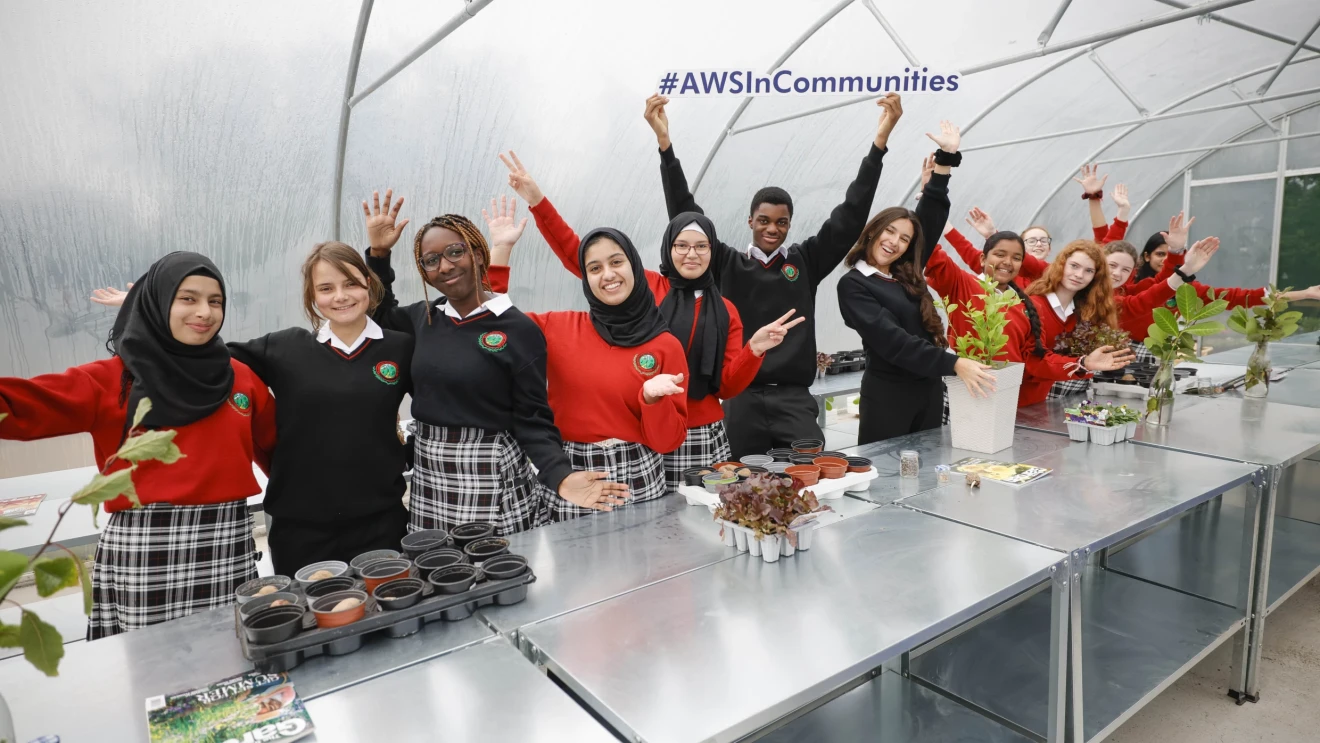
The InCommunities programme coordinates community engagement activity in regions where our data centres are located, ensuring local residents, schools, and community organisations experience the tangible benefits of AWS's presence in their area. Programmes are designed in direct consultation with local communities to ensure investment is targeted where it has the greatest impact.
In the UK, this includes initiatives such as AWS’s collaboration with Activate Learning Education Trust (ALET) on the Digital Futures Programme, which was created to help students develop the skills and knowledge needed to prepare for a career in digital industries. The programme is available in University Technical Colleges (UTC) including UTC Heathrow, UTC Oxfordshire, UTC Swindon, and UTC Reading. Another example is Girls’ Tech Day, which aims to inspire young women to pursue careers in technology. The inaugural event took place in January 2025 in collaboration with the West London Institute of Technology, with a second event taking place in February 2026. Amazon also sponsors the National Innovation Challenge, delivered in partnership with Harrow, Richmond and Uxbridge Colleges (HRUC), which encourages students to develop solutions to real-world technology problems.
At AWS, we’re committed to creating the conditions for UK organisations to succeed through investments in skills, training, and support programmes. That’s why we’ve launched a number of learning and skills programmes to help prepare the UK workforce for the future, address the growing need for digitally skilled talent, and enable organisations to take full advantage of the cloud. This includes programmes like the AWS Skills to Jobs Tech Alliance, which aims to provide 100,000 people in the UK with AI skills by 2030. Working in collaboration with educational institutions, government leaders, and enterprises across the country, the programme helps learners get ready for entry-level technical careers by combining industry-validated content, hands-on experience, and direct connections to employers, to give learners both the technical competencies and practical exposure they need to succeed.
Another example is AWS re/Start, which was first piloted in the UK in 2017. AWS re/Start is a cohort-based workforce development training programme that prepares individuals from diverse and underserved backgrounds for careers in the cloud and connects them to potential employers. A technology background is not required to apply, and the programme is free to the learner. AWS re/Start is available across all nations and regions in the UK, and learners have gone on to secure employment at companies across the UK including Cancer Research UK, Direct Line, Dunelm, Sage, Sainsbury’s and more.
In February 2025, Amazon announced the creation of more than 1,000 new apprenticeships in the UK in 2025, including in AWS. One of the new programmes launched in 2025 was in data centre operations.
AWS is also a founding partner of the UK government’s AI Skills Boost, which aims to provide 10 million workers with key AI skills by 2030.
Commitment to sustainability
Through The Climate Pledge, Amazon has committed to reaching net-zero carbon emissions by 2040 - a decade ahead of the Paris Agreement.
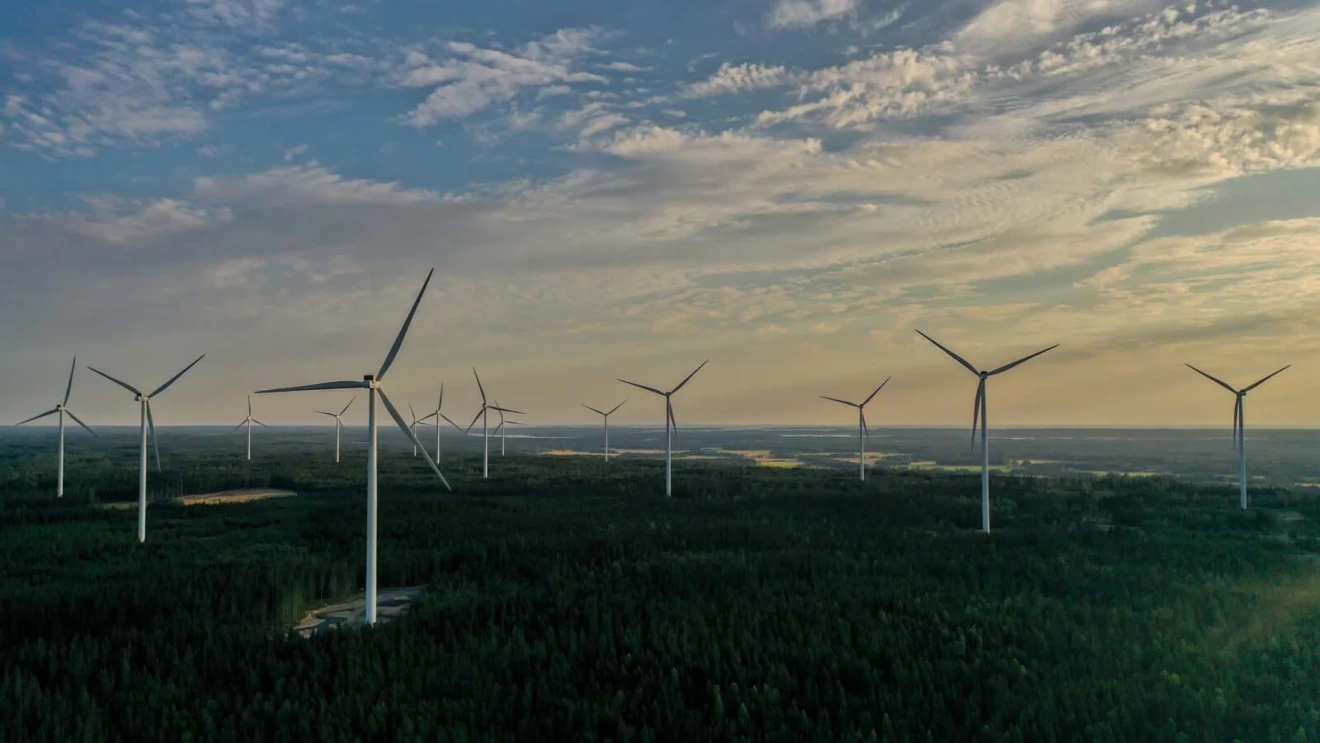
To power operations with carbon-free energy, Amazon is investing in more than 50 utility scale renewable wind and solar projects across the UK. Once completed, these projects will together provide more than 1GW of new carbon-free energy capacity, enough to power more than 1.2 million households annually. Amazon does not own these projects, but our commitment to purchasing the power and environmental attributes from these projects enable them to be built. UK projects include onshore and offshore wind farms at Kintyre Peninsula, Moray Firth, Ballykeel and Corlacky. According to BloombergNEF, Amazon is the largest corporate purchaser of carbon-free energy in the UK, and one of the leading purchasers worldwide.
At AWS, we focus on efficiency across all aspects of our infrastructure, from the design of our data centres and hardware, to modelling the performance of our operations for continually enhanced efficiency. By continually improving our efficiency, we can reduce the amount of energy needed to operate our data centres.
The new data centre components in AWS’s data centre design are projected to reduce mechanical energy consumption by up to 46%, reduce embodied carbon in the concrete used by 35%, and deliver a power usage effectiveness (PUE) rating to 1.08 (PUE is one way we measure the efficiency of our data centre operations. A lower PUE indicates a more efficient data centre and a PUE score of 1.0 is perfect. AWS calculates PUE using the internationally recognised principles of the International Organization for Standardization in-line with our PUE Methodology). The public cloud industry average is 1.25 and 1.63 for on-premises enterprise data centres, as estimated by the International Data Corporation.
In November 2022, AWS announced it will be water positive by 2030, returning more water to communities than it uses in its direct operations. We are 75% of the way towards our goal as of 2025.
AWS data centres are designed to be exceptionally water-efficient – using a fraction of the water typical data centres need to deliver the same computing power. As an illustration, in Europe, for every bottle of water used by a typical data centre, AWS only needs a few tablespoons.
Our commitment to sustainability extends into the community. In the UK, Amazon is working with The Rivers Trust to restore natural flood management in the Thames River basin by removing barriers to reconnect the river to its floodplain. This is expected to help replenish approximately 215 million litres of water annually while supporting biodiversity. The work builds on Amazon’s existing work with The Rivers Trust and local member trust, Action for the River Kennet, to create two wetlands on a tributary of the River Thames. The wetlands are expected to recharge approximately 435,600,000 litres of groundwater per year, improve water quality by receiving and treating polluted runoff from farms and roadways, and help address growing water-scarcity and water quality in the Thames River basin.
AWS also works with not-for-profit social enterprise, EnergyCloud, in England to provide free hot water for households in energy poverty. Participating homes are equipped with an EnergyCloud-enabled smart device. These devices use surplus renewable electricity, such as wind energy produced during off-peak times, to heat immersion tanks.
Amazon’s continued commitment to the UK
In June 2025, Amazon announced plans to invest £40 billion in the UK between 2025-2027, marking its long-term commitment to customers, employees, and communities across the country.

These direct investments, which are expected to contribute an estimated additional £38 billion to the UK’s GDP, raise the economic activity in a given region and create a ripple effect through the economy as the firms that supply goods and services to Amazon expand and associated household spending increases.
One year on, Amazon has invested more than £15 billion in the UK, launching new operational sites, starting drone deliveries, expanding studio production facilities, as well as opening a new London campus in Shoreditch with expanded office space. Veeqo – the Swansea-based tech start-up which became part of Amazon in 2021 – also recently opened a brand-new development centre.
We will continue to push the boundaries of how technology – digital infrastructure and services – can help our customers and partners to innovate, scale, and boost growth and productivity across the UK.
Our water replenishment and withdrawal data for 2025 has been assured by a trusted third-party provider.
This article was originally published on 1 June 2026. It was updated on 13 October 2026 to reflect our water goal.
Stories we think you’ll like