Amazon has successfully started drone flights out of its Darlington fulfilment centre, with the northern town set to become the first location in the UK to launch Prime Air.
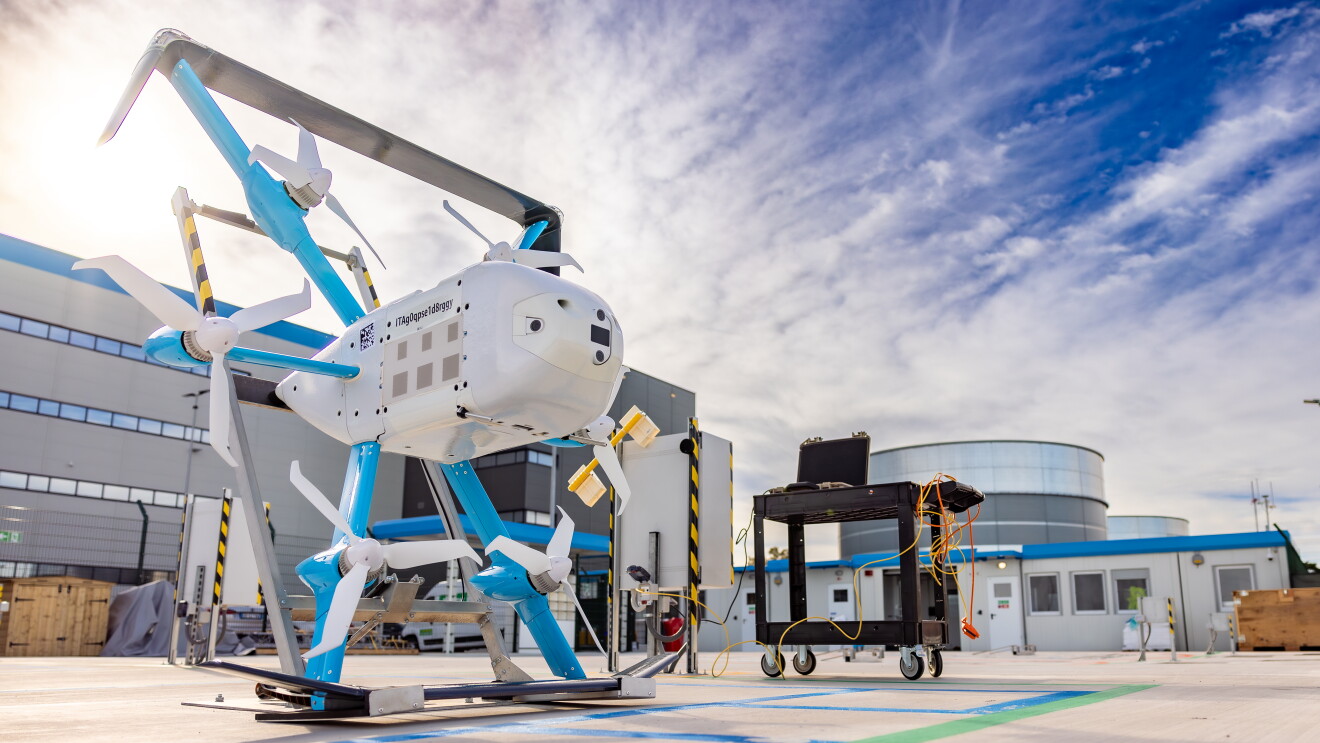
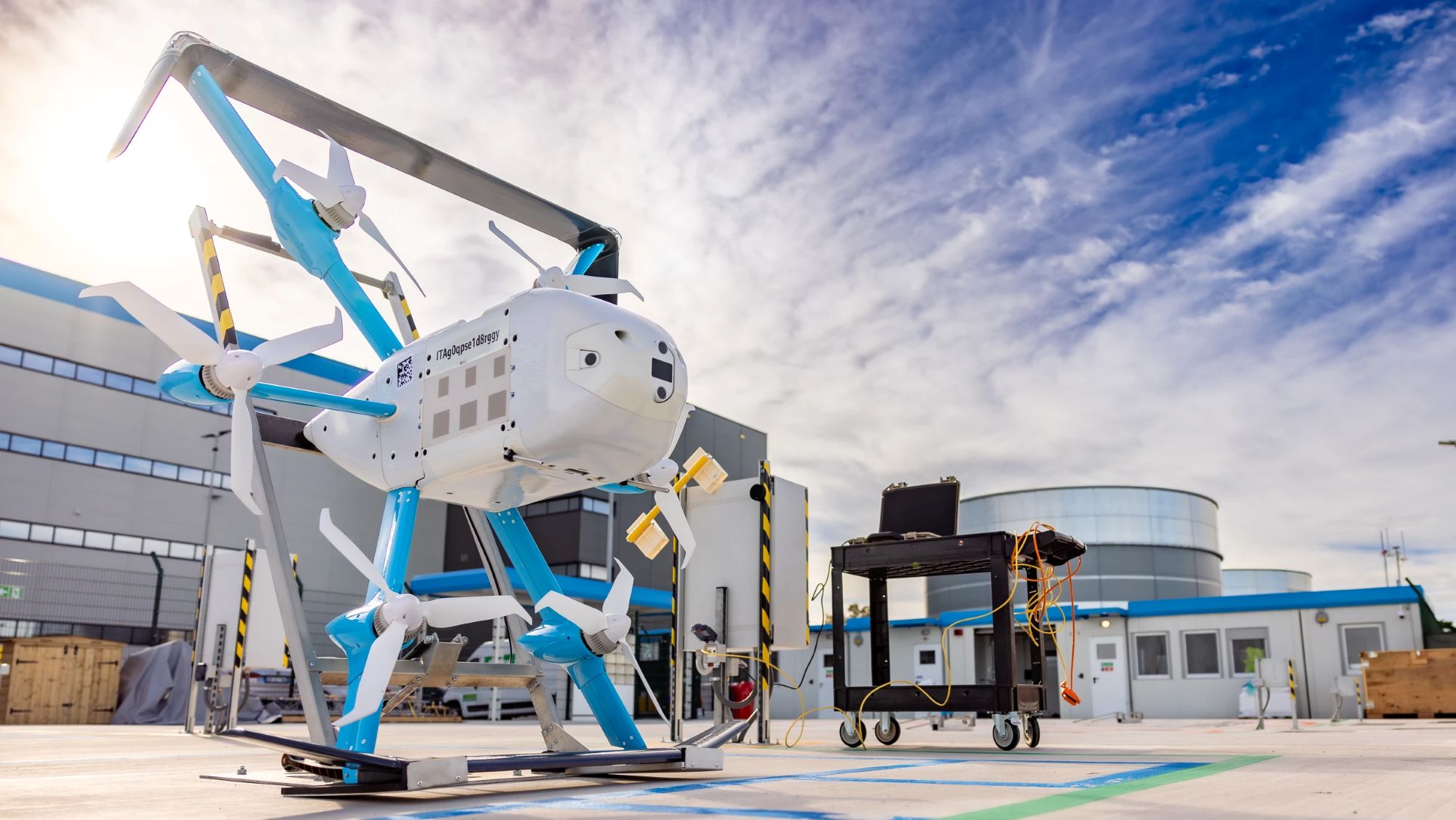
The service will use Amazon’s newest MK30 drone, which operates safely and autonomously using sophisticated, industry-leading detect-and-avoid technology, ensuring the safety of people, pets, and property.
Here’s everything you need to know about Prime Air, the MK30 drones, and when the delivery service is coming to the UK.
What is Prime Air?
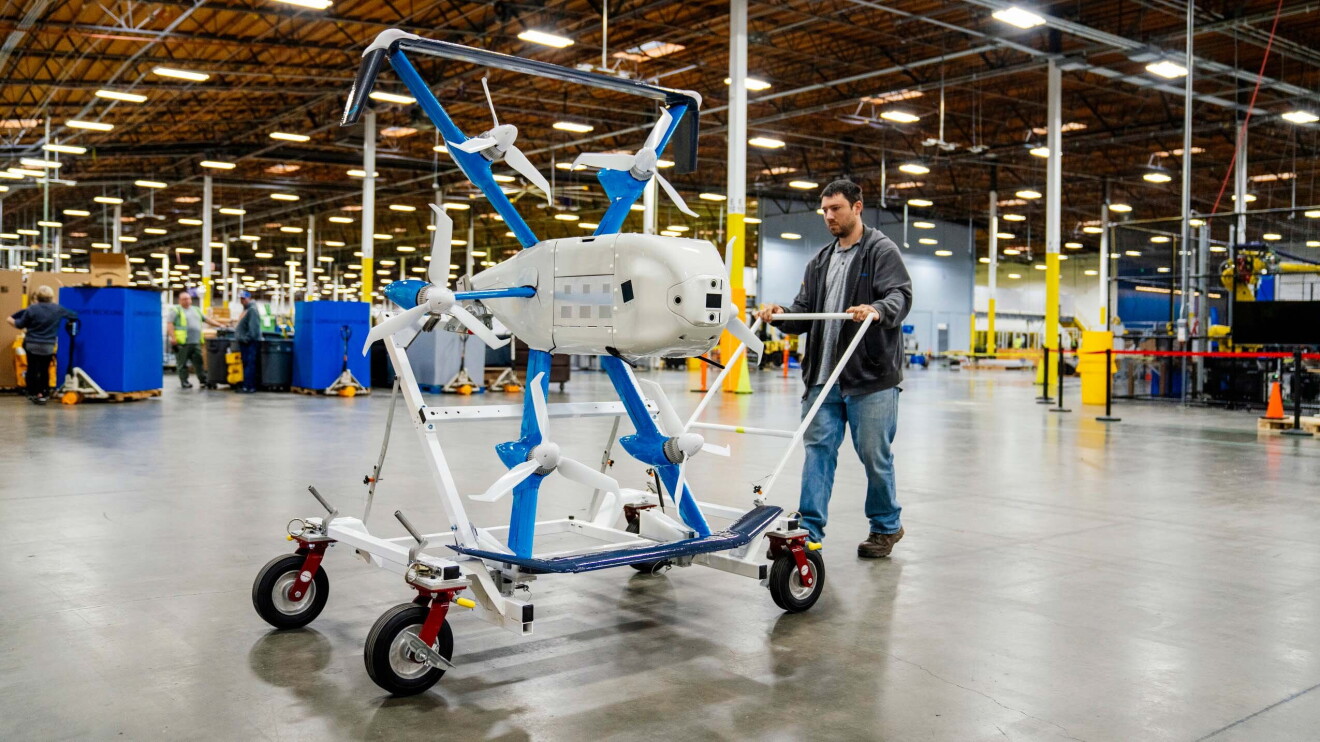
Prime Air is a drone delivery system from Amazon designed to safely get packages, weighing up to five pounds, into customers' hands quickly, in less than two hours.
When the service launches, eligible Prime customers based in the area will be able to opt-in to drone delivery and choose from thousands of products, everyday essentials, beauty items, and office/tech supplies.
Is Prime Air available in the UK?
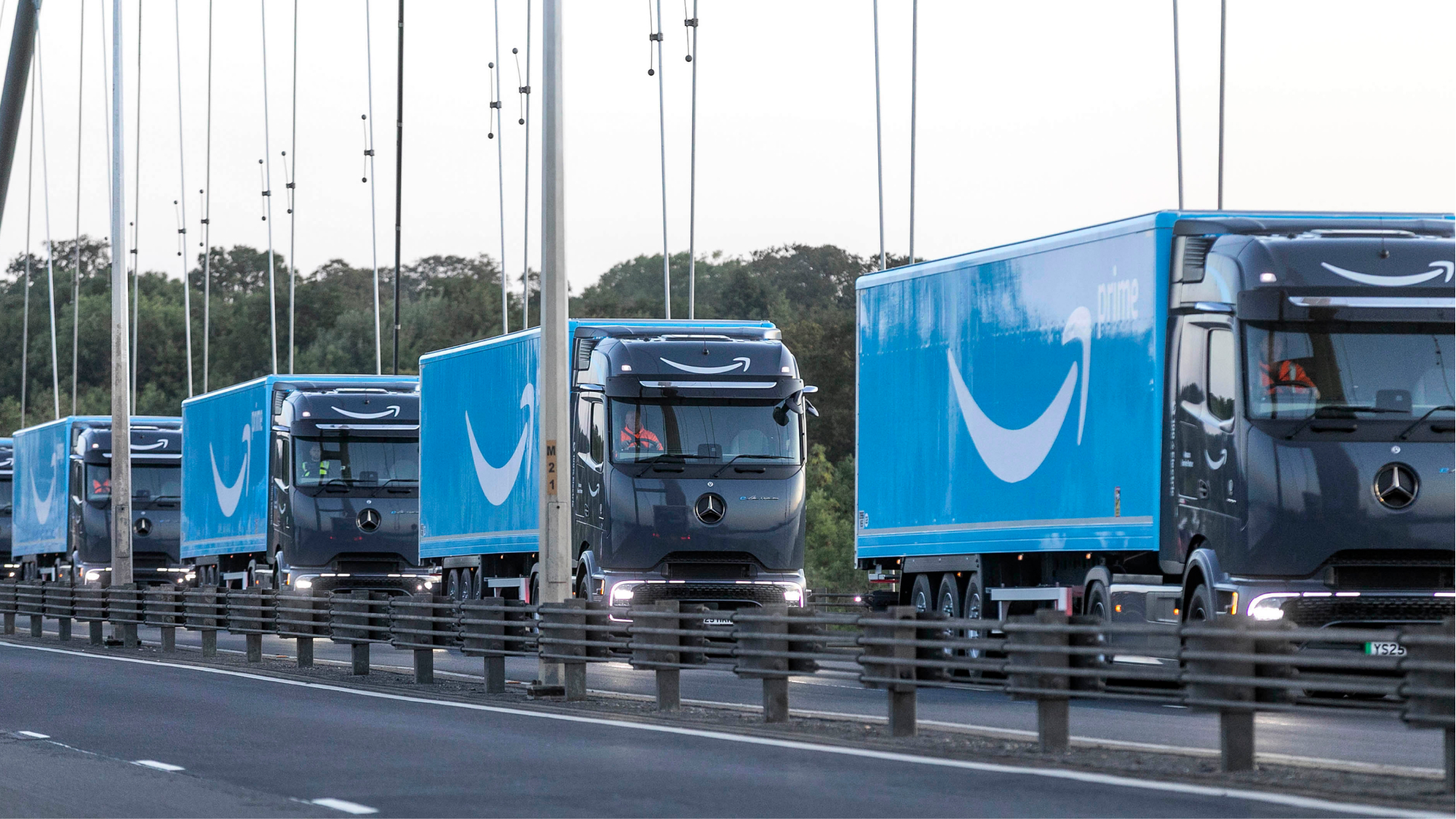
Prime Air is at an early stage in the UK, with flights operating out of Amazon’s Darlington fulfilment centre.
David Carbon, VP of Prime Air comments: “Starting flights in Darlington marks an important milestone in bringing drone delivery to the UK. Safety is our top priority and we have worked closely with Darlington Council and the Civil Aviation Authority. Our MK30 drones are designed to operate quietly and efficiently. We look forward to demonstrating how this innovative technology can serve the people of Darlington while maintaining the highest safety standards.”
How loud are Amazon’s MK30 delivery drones?
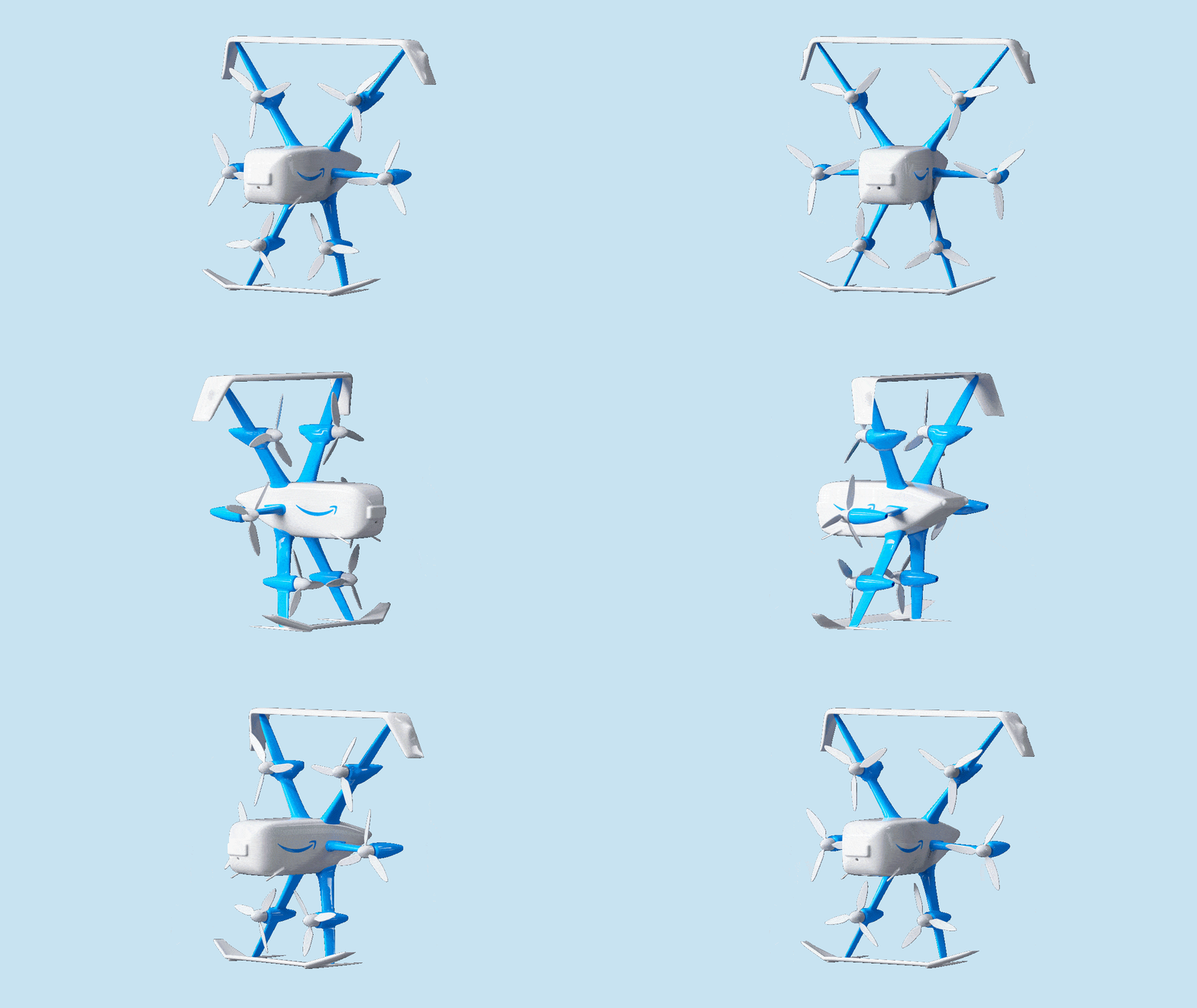
The MK30 is as quiet as an average van delivery. Keeping noise and perceived volume to a minimum was a critical priority for the drone development team, who experimented with various propeller designs to meet their goals.
How does Amazon’s MK30 drones deliver parcels safely?
Safety is Amazon’s top priority and Prime Air systems are built with multiple safety features. The MK30 has received Civil Aviation Authority (CAA) approval to conduct operations.
As the MK30 descends for delivery, its onboard systems identify and steer clear of obstacles such as clotheslines or trampolines—items that might not appear in satellite maps.
These same cameras continuously monitor the surrounding airspace during flight, determining whether evasive action is needed to avoid other aircraft entering the drone's flight path. The perception technology relies on sophisticated machine learning models trained to recognise various objects, including people, animals, physical barriers, and other airborne vehicles.
The development team built an independent monitoring computer that oversees the main flight control system. When the monitoring system identifies irregularities during flight, it can instantly switch control to a secondary controller whilst initiating an automated return-to-base procedure.
Stories we think you’ll like