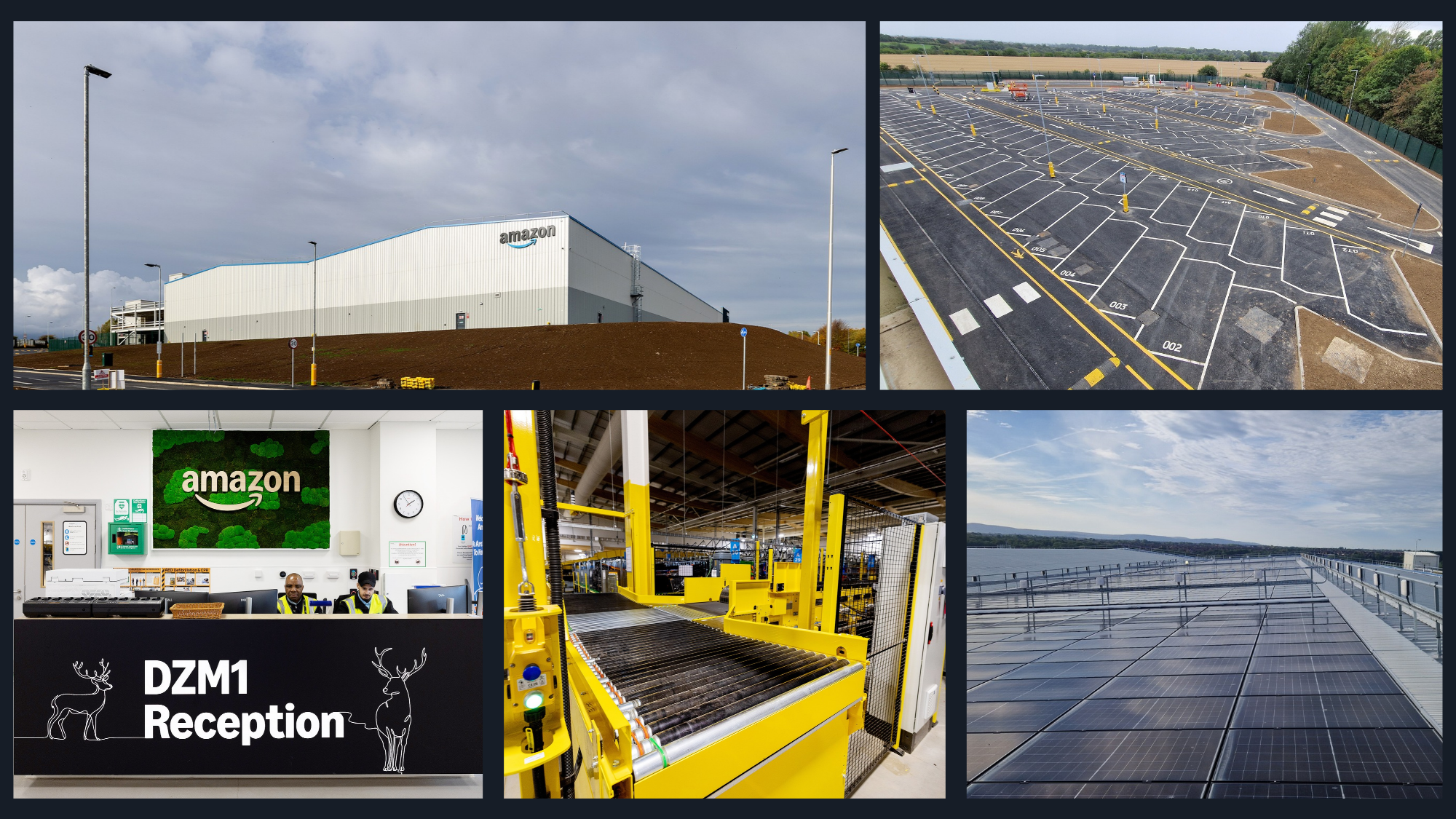
Key Takeaways
- Amazon's delivery station in Stockton-on-Tees has been designed to meet the UK Net Zero Carbon Buildings Standard—a framework Amazon helped create. It is also the first building in Amazon's global network to pursue the latest version (v1.1) of Living Future Institute's Zero Carbon Certification.
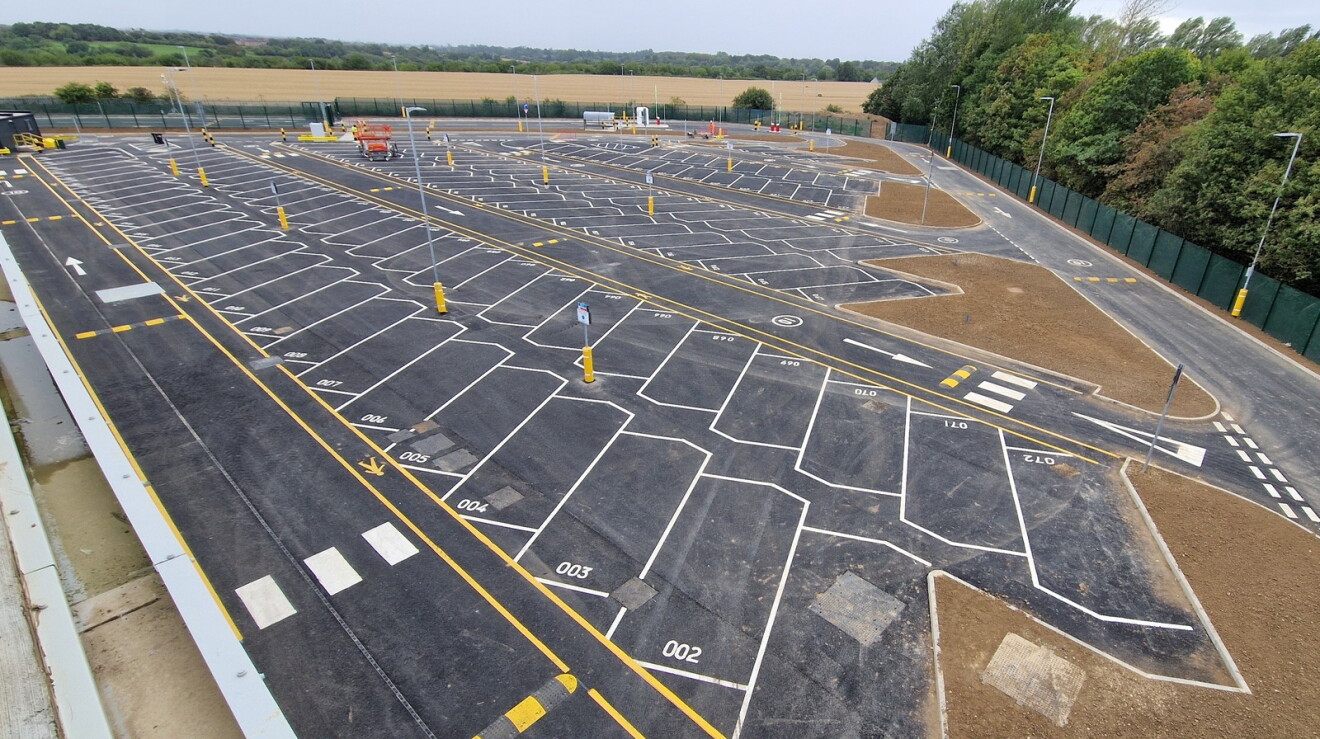
- The building uses lower-carbon steel, mass timber, cement-free paving, and carbon-storing concrete to cut construction emissions by at least 20% compared to the original building design.
- The £40 million site has created around 100 local jobs and forms part of Amazon's commitment to invest £40 billion in the UK from 2025 to 2027.
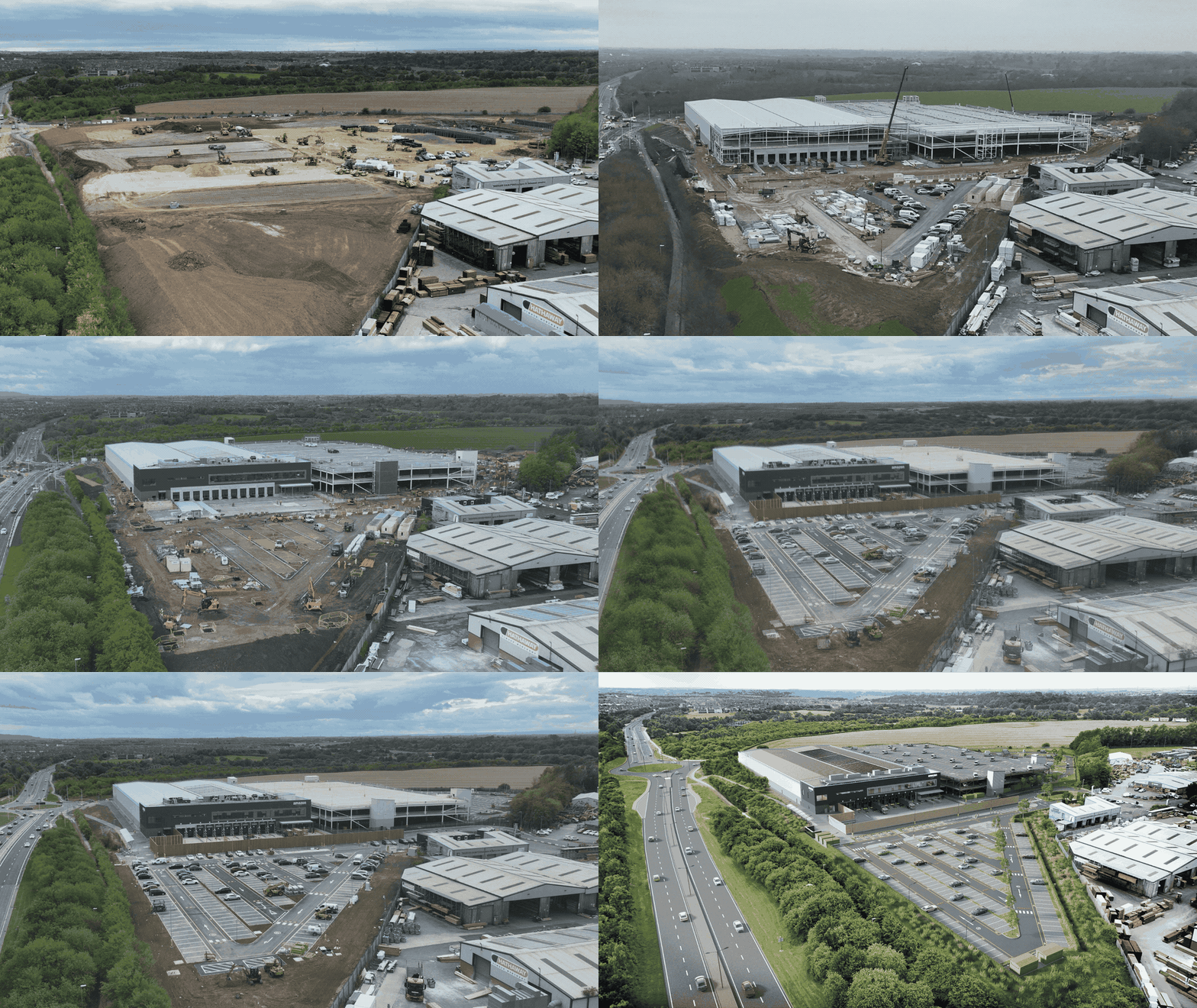
Standing on the edge of Stockton-on-Tees, where the A66 meets the Teesside industrial heartland, Amazon's newest delivery station doesn't look like a typical logistics building.
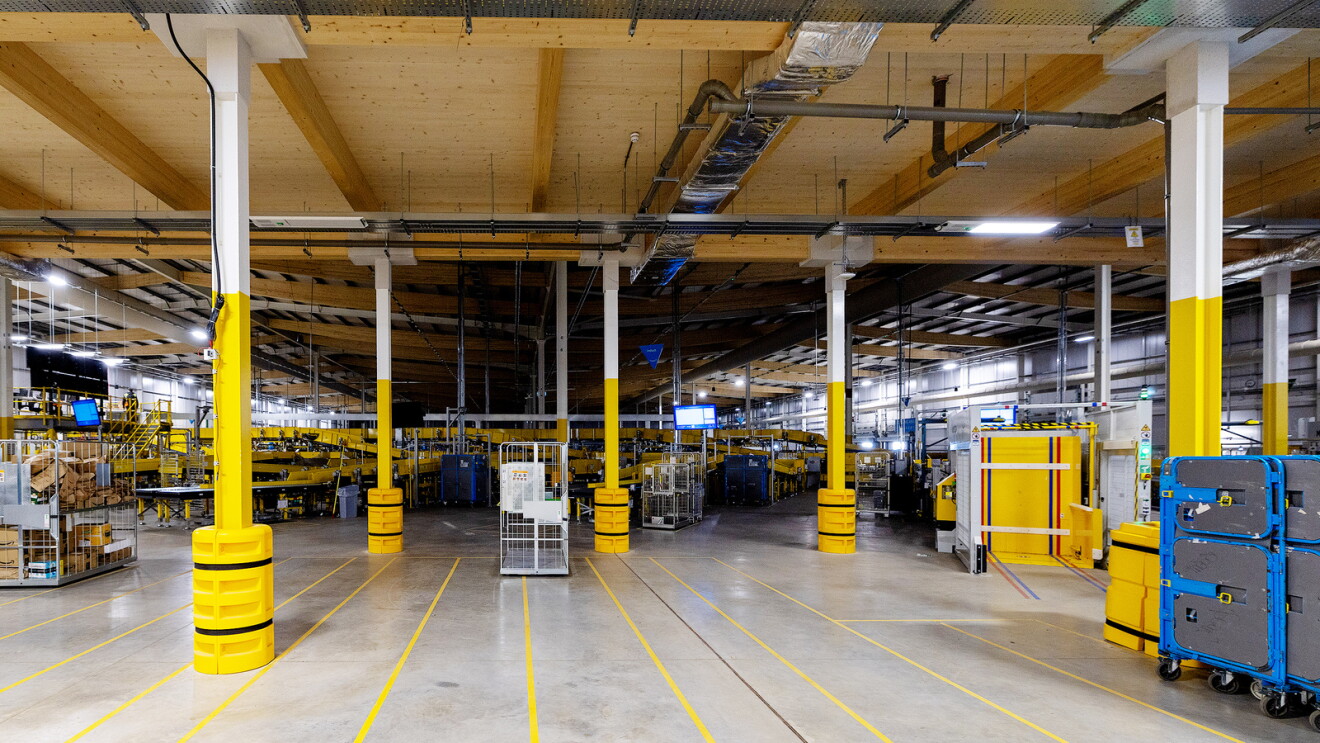
Its timber and steel framed structure and low-carbon concrete, wall panels, and roofing materials, are the first clues that this site was designed with an entirely different ambition—to set a new standard for low-carbon construction in Europe.
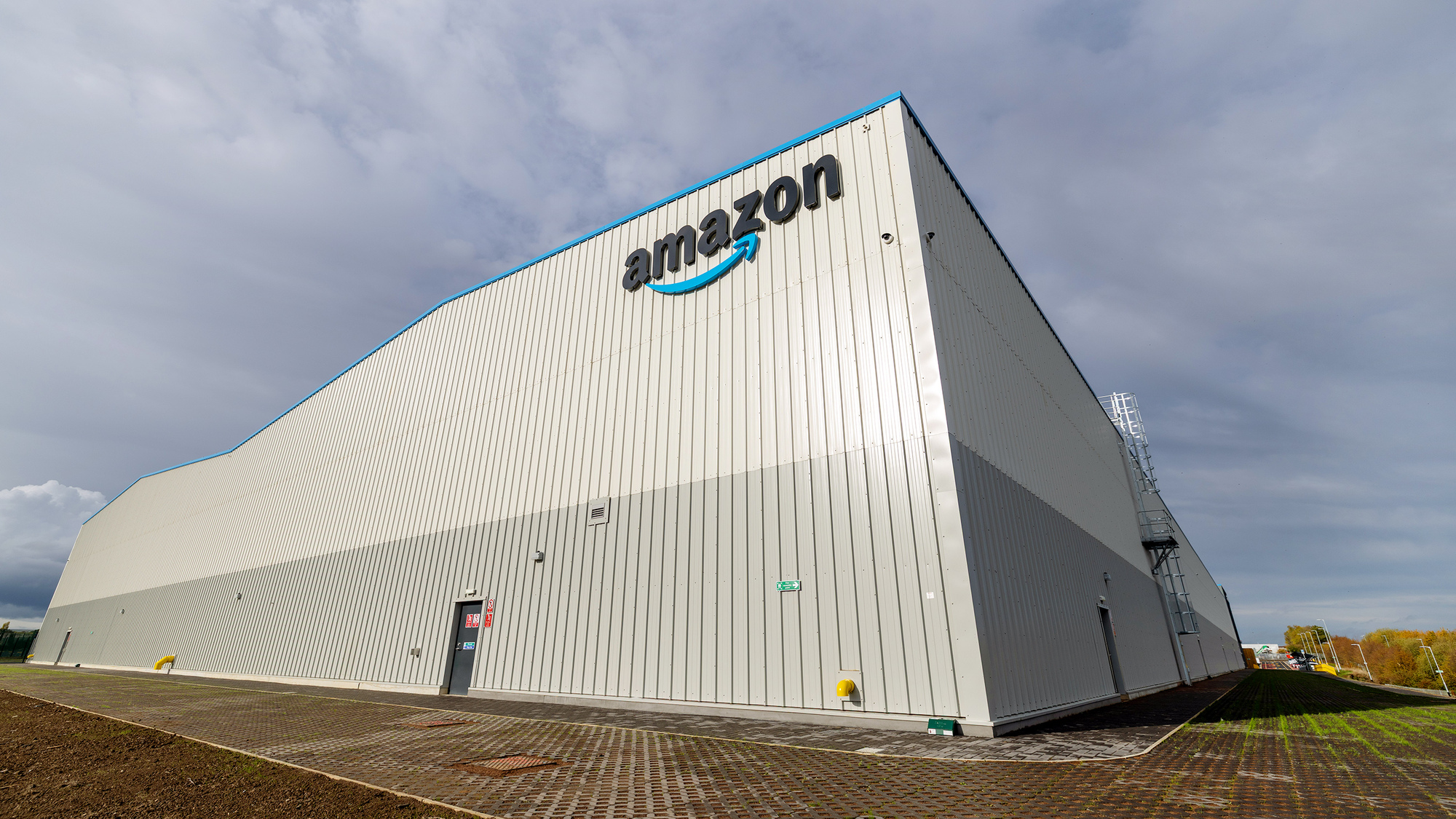
The 10,800m2 delivery station officially opened its doors on October 21. The logistics building has been designed to meet the UK Net Zero Carbon Buildings Standard, a new UK framework for low-carbon construction that Amazon helped develop.
It is also the first building in Amazon's global network designed to meet the latest version of the Living Future Institute's (ILFI) Zero Carbon Certification (v1.1), an updated standard that builds on the earlier certification already achieved by several Amazon buildings worldwide.
The station will serve customers across North Yorkshire and County Durham, joining Amazon's existing network of more than 100 operations sites including fulfilment centres and delivery stations across the UK. But it sets a new benchmark for what those sites can look like and how they can perform.
How the building cuts carbon by at least 20%
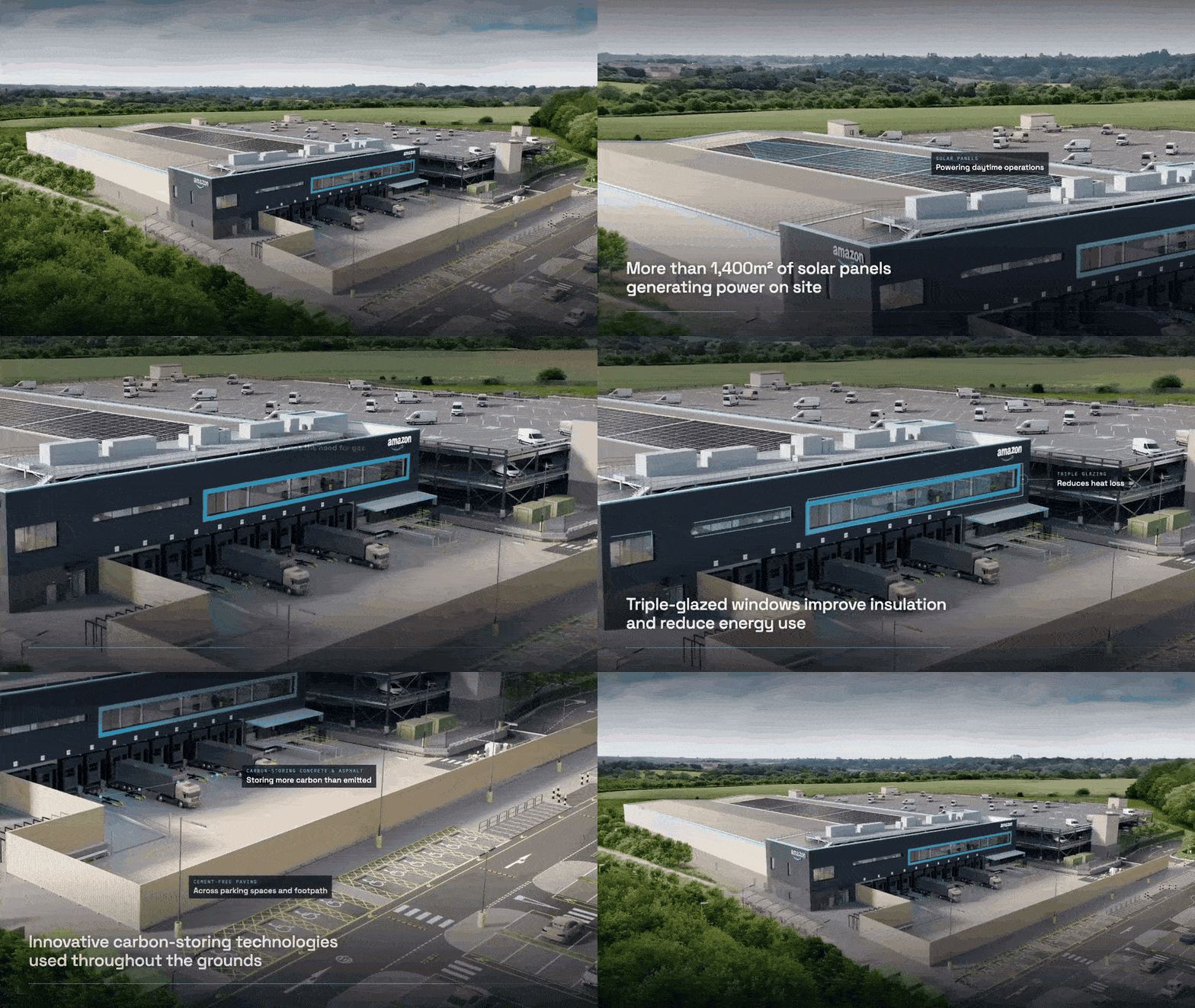
The Stockton-on-Tees delivery station was designed to tackle emissions at every stage, from the materials used in construction to the energy that powers daily operations. Amazon is using the site to test technologies that could be rolled out across its network.
Smarter materials
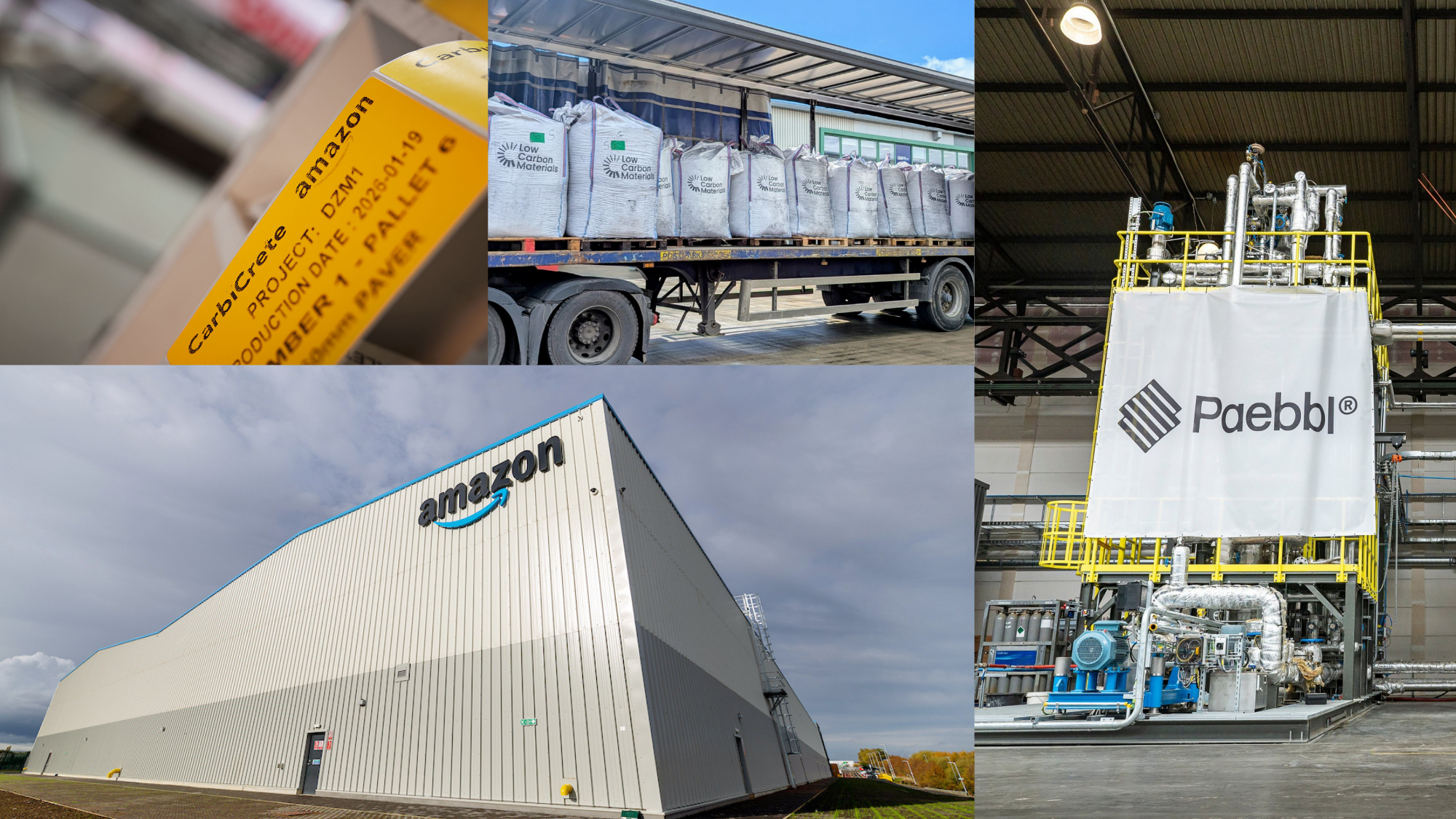
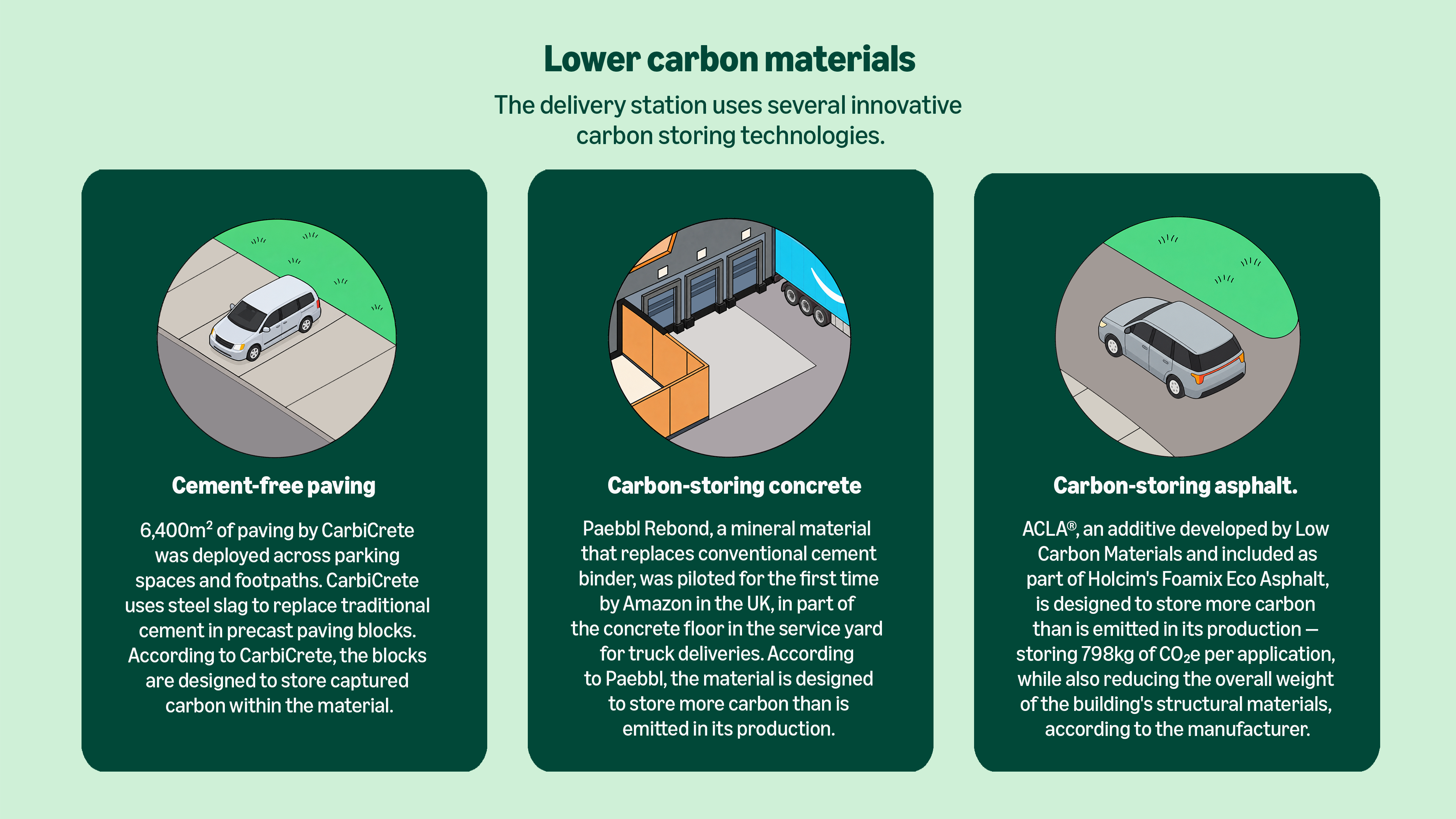
The building and parking structure uses almost 1,500 tonnes of lower-carbon steel with high recycled content, produced using renewable electricity. More than 200 tonnes of mass timber beams complement the steel structure in the building, reducing the carbon footprint of traditional building methods.
More than 4,400m³ of lower-carbon concrete, in addition to lower carbon wall panels and roofing materials round out a construction approach that prioritises locally sourced supplies and shorter supply chains.
By combining these materials and practices, total carbon emissions associated with the construction are at least 20% lower than Amazon's previous design standards.
Powered by renewables from day one
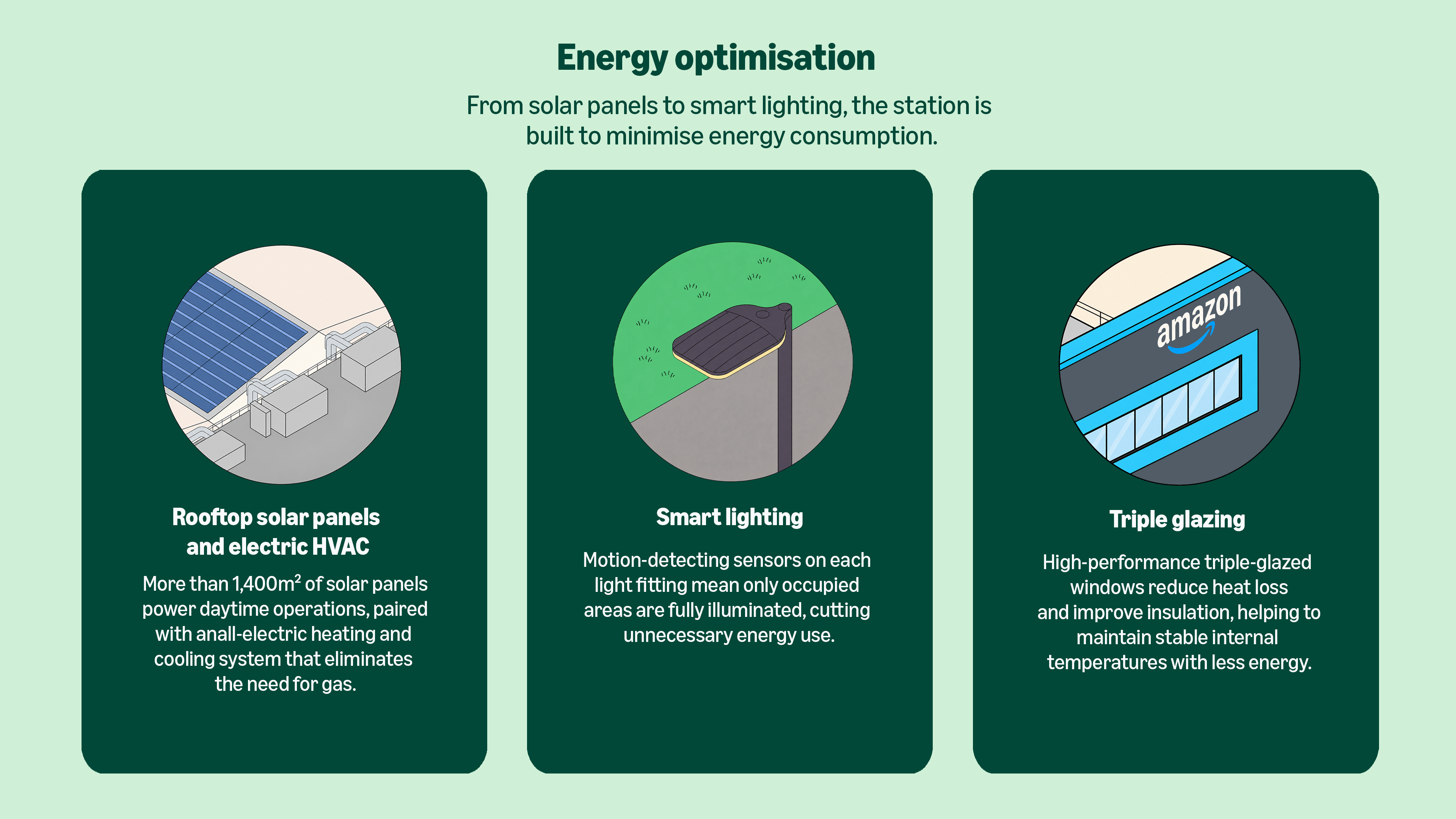
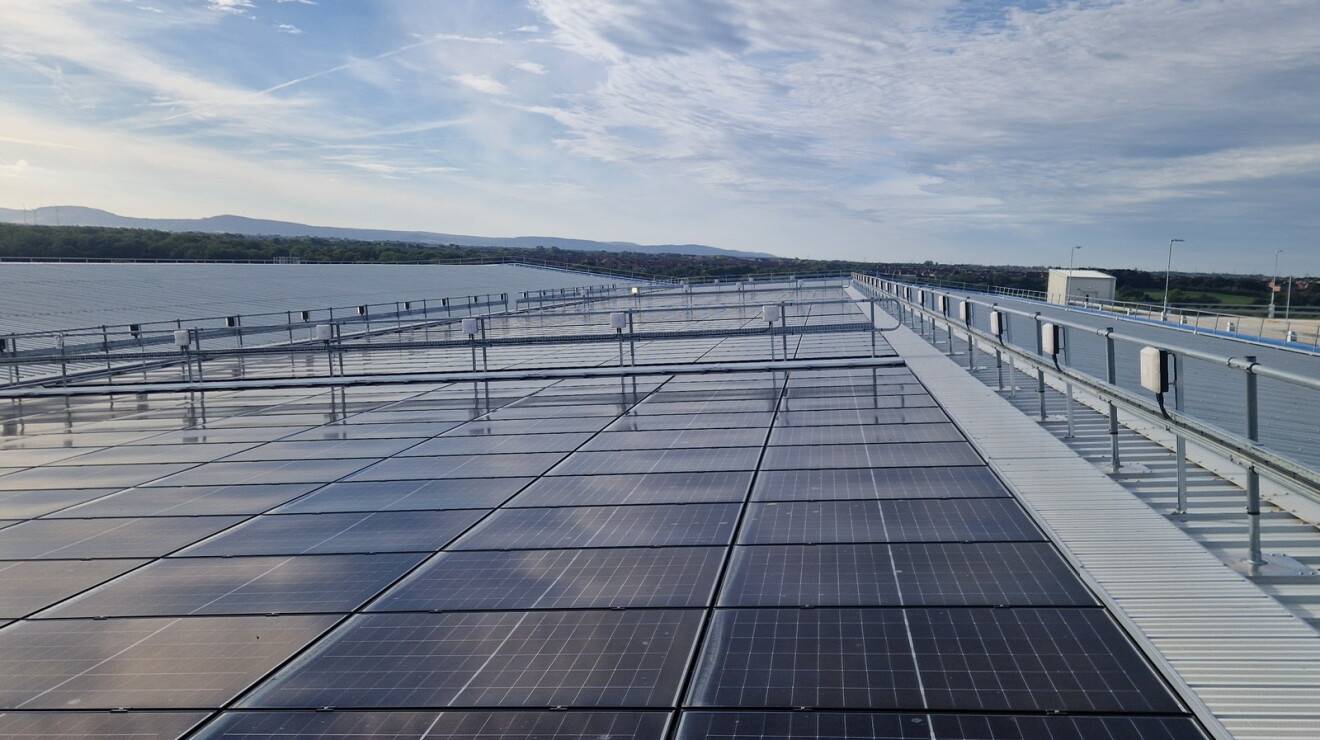
Now up and running, the station's all-electric systems and rooftop solar panels are designed to work together to minimise the building's operational carbon footprint.
The site is projected to use around half the energy of a typical logistics building—nearly three times the reduction required by its net-zero carbon certification. Much of that comes from high-efficiency electric heat pumps that replace gas heating, energy recovery systems that recapture heat lost through ventilation, and air curtains at dock doors that maintain stable temperatures despite the constant flow of delivery vans.
Water-saving plumbing fixtures are also set to reduce water consumption by approximately 20% compared to conventional designs.
What net-zero carbon certification means
The Stockton-on-Tees delivery station has been designed to meet the UK Net Zero Carbon Buildings Standard, and is the first in Amazon's global network designed to meet the latest version of ILFI's Zero Carbon Certification (v1.1).
It joins other Amazon buildings around the world already certified or pursuing ILFI's Zero Carbon Certification—each reflecting the standard in place at the time of their design.
After a full year of operations, third-party assessors will review performance data to determine whether the building qualifies for formal certification in 2027. Amazon will track and share learnings from this process to help refine the approach for future projects.
Creating jobs in Stockton-on-Tees
The delivery station has created 100 jobs in the local area, including managers, supervisors, and associates.
All full-time operations positions offer competitive pay starting at £31,000 annually, alongside a comprehensive benefits package including private medical insurance, life assurance, income protection, an employee discount, and a company pension plan. Additional roles are advertised at jobsatamazon.co.uk.
Meet the site's senior operations manager
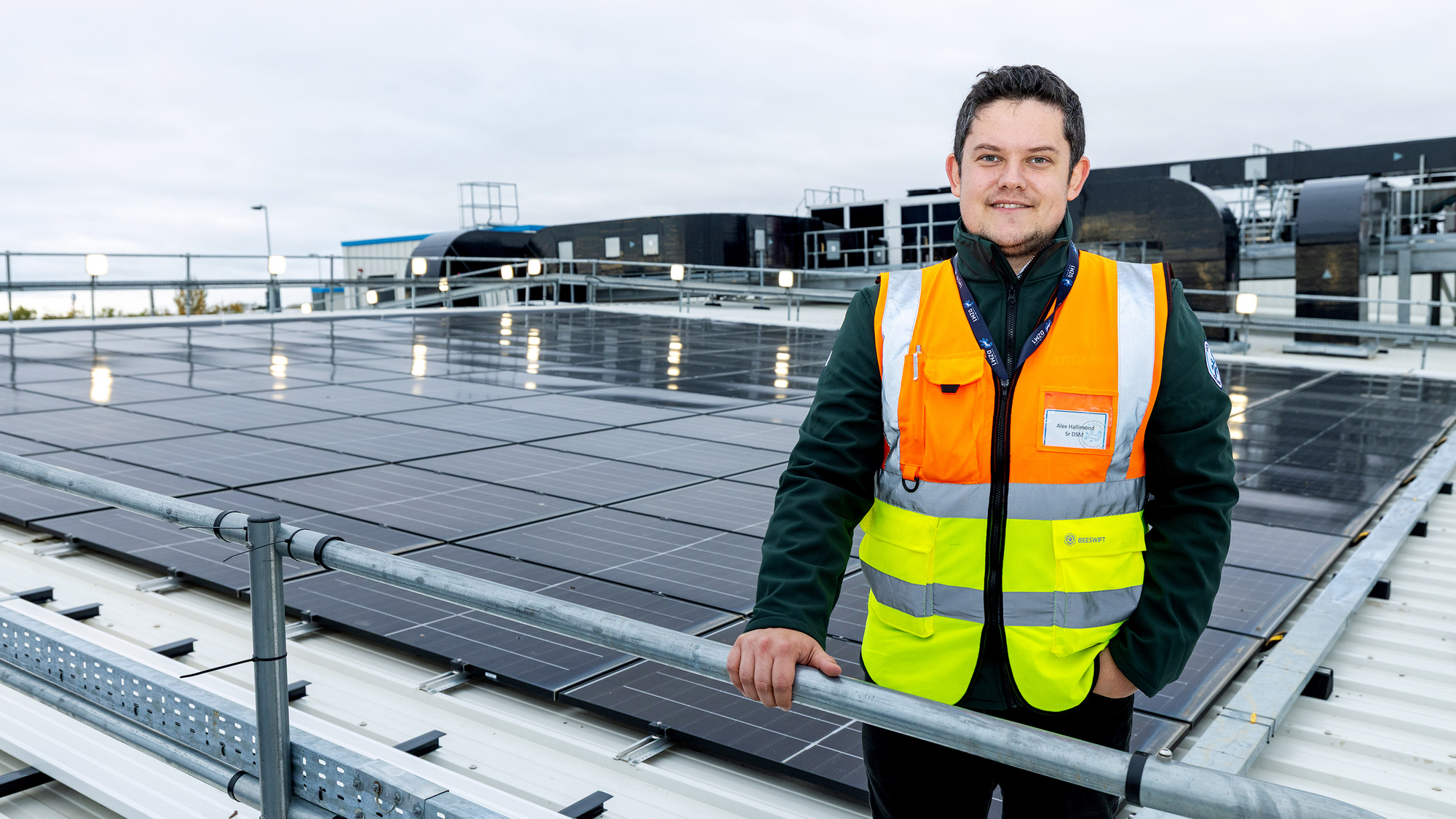
Alex Hallimond, Senior Operations Manager of the delivery station has been with Amazon for more than seven years. Originally from Sunderland, he's worked across several Amazon sites across the Northeast before taking on the Stockton-on-Tees role. For Alex, the building represents something bigger than a new delivery station. It's a symbol of the region's evolution.
"This area was previously really heavy industry—the Transporter Bridge, chemical plants, coal mining," he said. "A lot of that's gone now, but it's being replaced by something different. You've got automation, innovation, and now a really sustainable version of what will hopefully become a worldwide design. If we replicate this build across the world, the benefit is huge."
It was the sustainability ambitions that drew Alex to the role in the first place.
"I'd heard about the sustainability side of the building, which I thought was really impressive," he said. "To see a site like this go up in the Northeast, especially one that's pushing the boundaries of what a delivery station can be, was the biggest opportunity I could see."
During his time at Amazon, Alex completed a chartered management degree through the company's apprenticeship programme and is now finishing an MBA. He says the development opportunities keep going regardless of where your career takes you, and that Amazon is a fantastic place to work—especially at smaller sites where there's a real family feel.
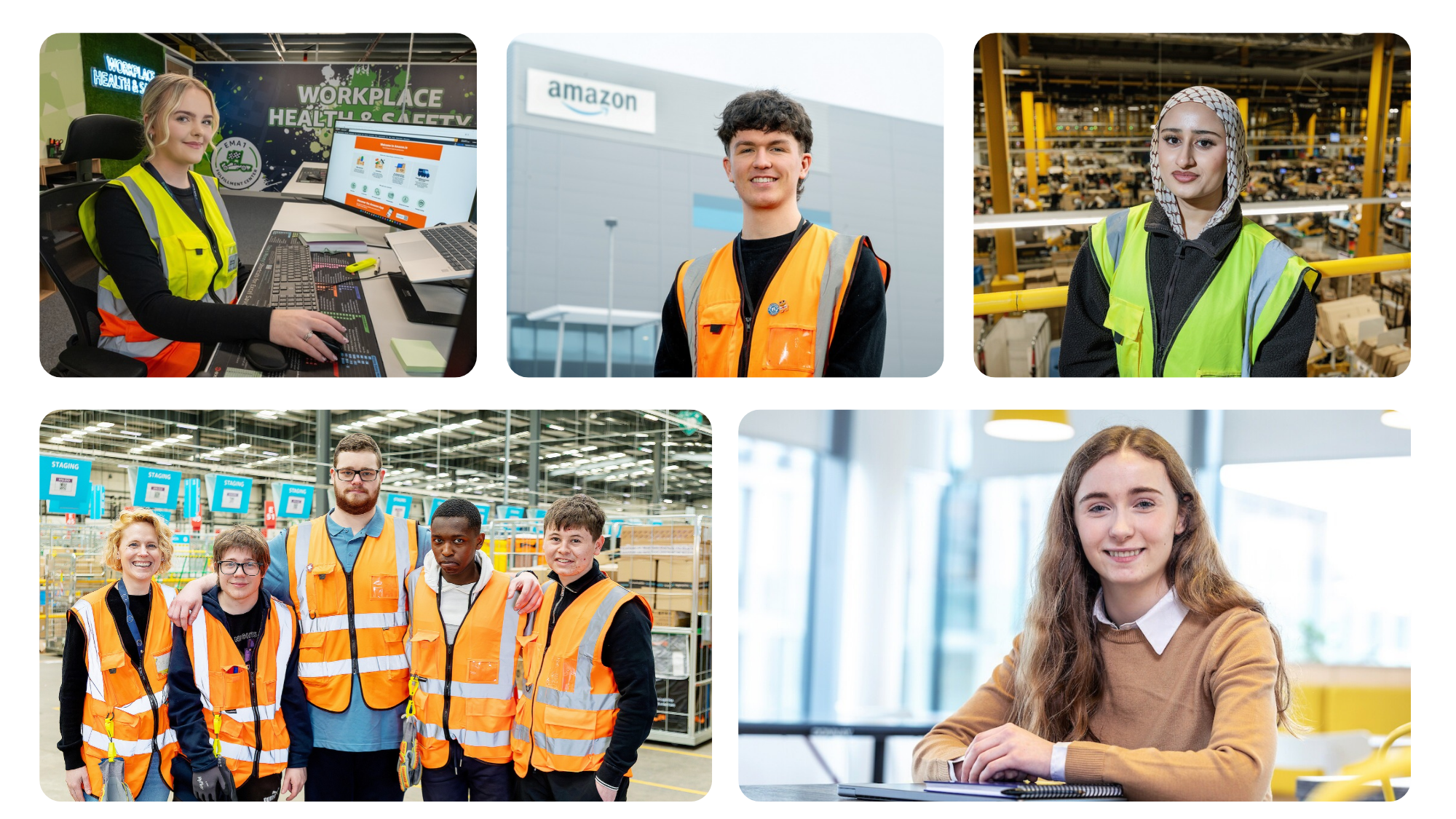
Amazon has invested more than £4.7 billion in the North East since 2010. Separately, an independent report by Public First found that Amazon contributed £300 million to the Teesside economy in 2024 alone, with nearly half of entry-level employees at its Stockton-on-Tees site previously unemployed or joining straight from education.
Part of Amazon's biggest-ever UK investment
Amazon's investments in carbon-free energy, transport electrification, and sustainable packaging in the UK total £3.5 billion over the past five years, supporting up to 34,000 jobs and generating billions more in economic value, according to an independent study by Frontier Economics.
The delivery station alone represents a £40 million investment. It's part of Amazon's plans to invest £40 billion in the UK between 2025 and 2027—the largest investment in the company's history outside the US—funding jobs, infrastructure, and technology across the country.
Since 2010, Amazon has invested more than £80 billion directly into UK operations, creating tens of thousands of jobs in logistics, technology, and corporate roles.
To bring this building to life we worked with multiple organisations, including (but not limited to): Caddick Construction as the general contractor, AECOM as the sustainability consultant, the Architect SMR, Goodsons for civil and structural engineering, plus Lysander (project manager) and Gleave (cost consultant). Additionally, Holcim UK supplied all low carbon asphalt for the site, plus low carbon concrete for the building and finally, Wiehag, who supplied the structural timber.