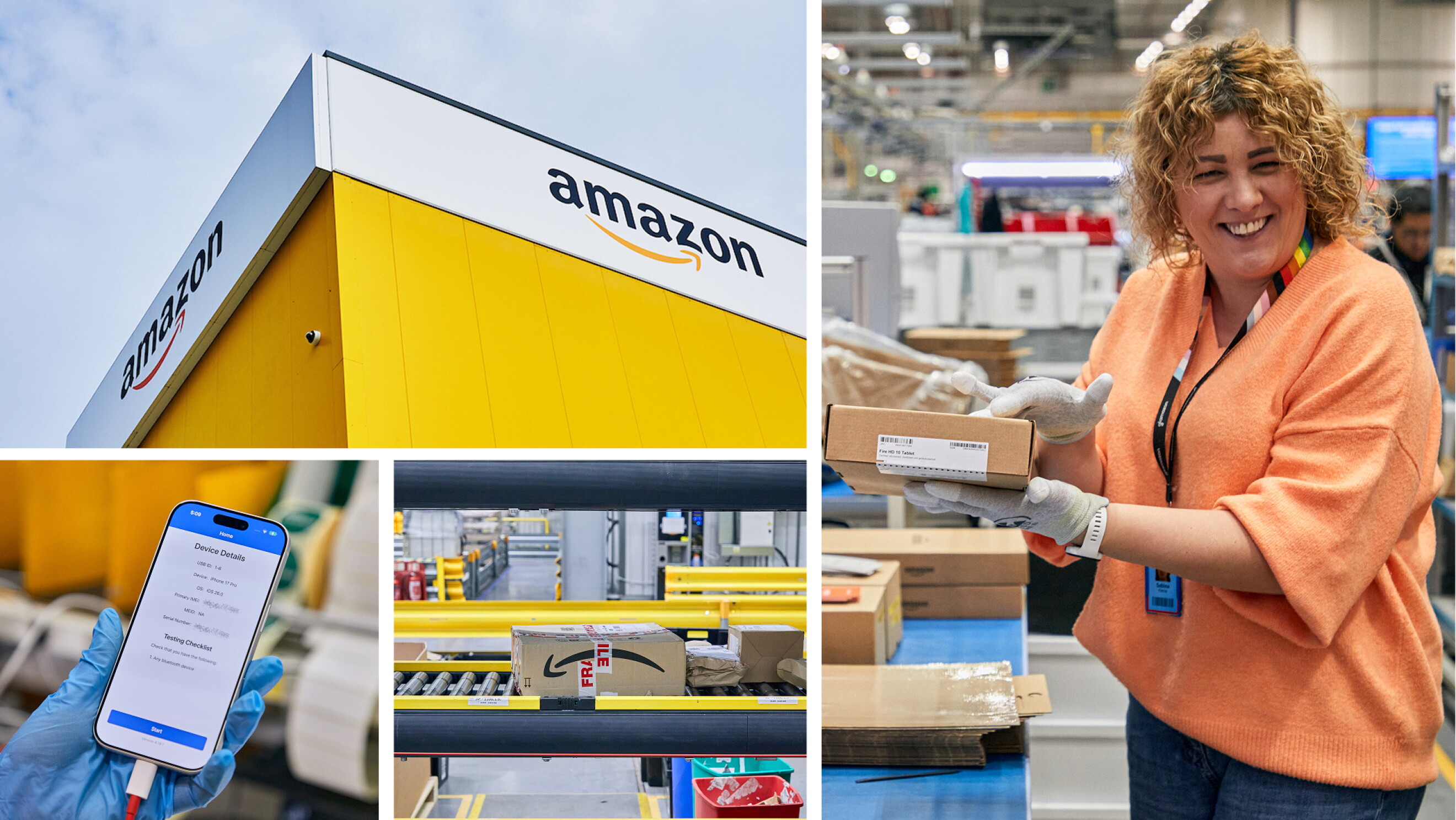

Have you ever wondered where the TV that didn’t fit your space ended up, or what became of the jumper that didn’t suit you? We work hard to help customers order the right product first time, but when returns happen, we strive to give them a second chance.
Every day, items flow through Amazon's reverse logistics network across the UK, but the moment you drop an Amazon return at your local collection point isn’t the end of the story—it’s the beginning of a complex, carefully engineered journey.
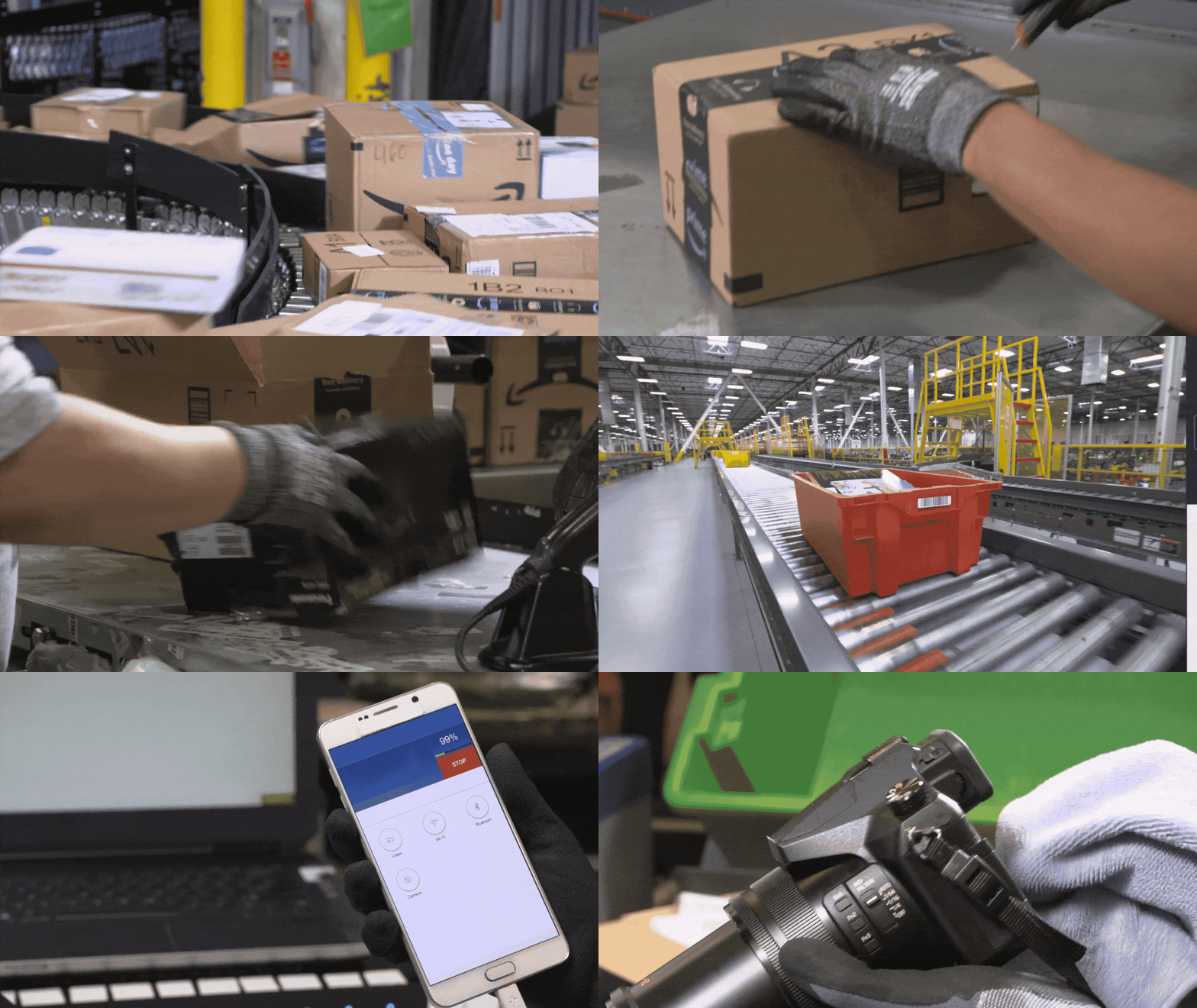
Far from the straightforward process many customers might imagine, returns pass through a series of steps designed to minimise waste, recover value, and find the most sustainable outcome for every product.
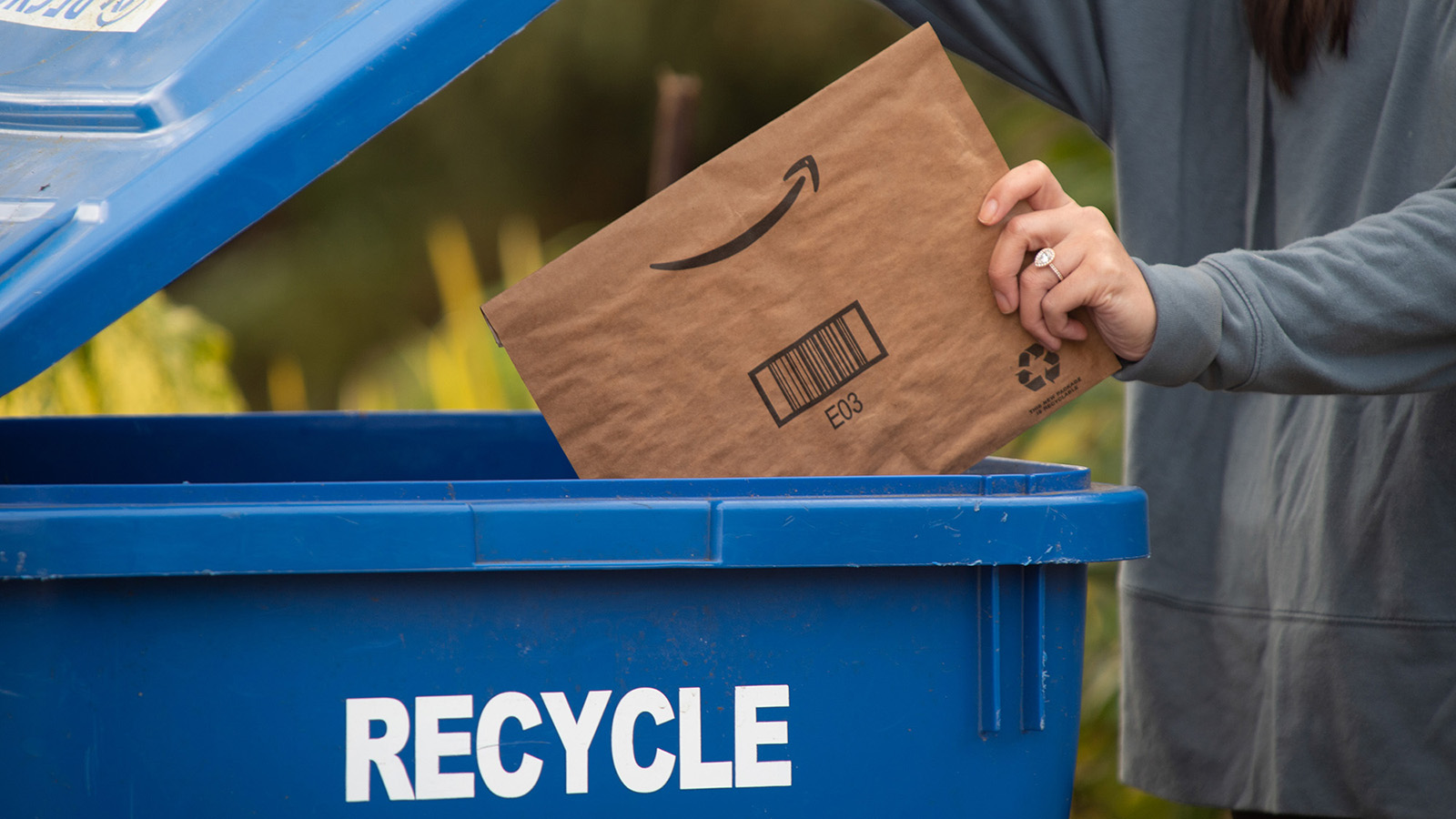
We reuse or repair and resell returned products wherever we can, while also donating millions of items—including returns—through the Multibank and other charity partnerships. Products that can't be resold, like broken glass, are responsibly recycled or sent for energy recovery.
Amazon’s returns process is one filled with brilliant tech—think X-ray scanners, machine-learning systems, and drone-flying cages—and it’s made possible by the expert knowledge of team members who do everything they can to skilfully restore items and put them back on the shelves.
Let's follow the path of a returned item and discover what happens after you click "return" on your order.
Welcome to the Dunfermline fulfilment centre, Amazon’s largest returns site in the UK
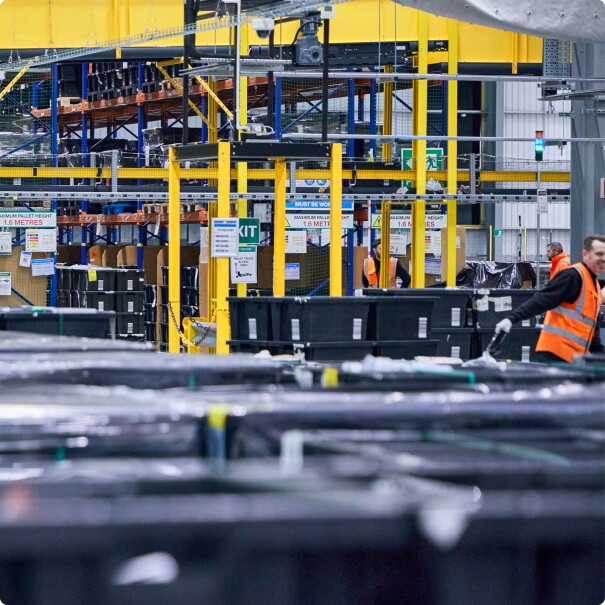
When you drop off your return, a specialised shipping label will be attached to your parcel. It contains all the crucial details about your order and ensures your package heads to the right destination. For most UK returns, that is EDI4 in Dunfermline, Scotland—named after Edinburgh Airport in keeping with our tradition of naming sites after the nearest international airport.
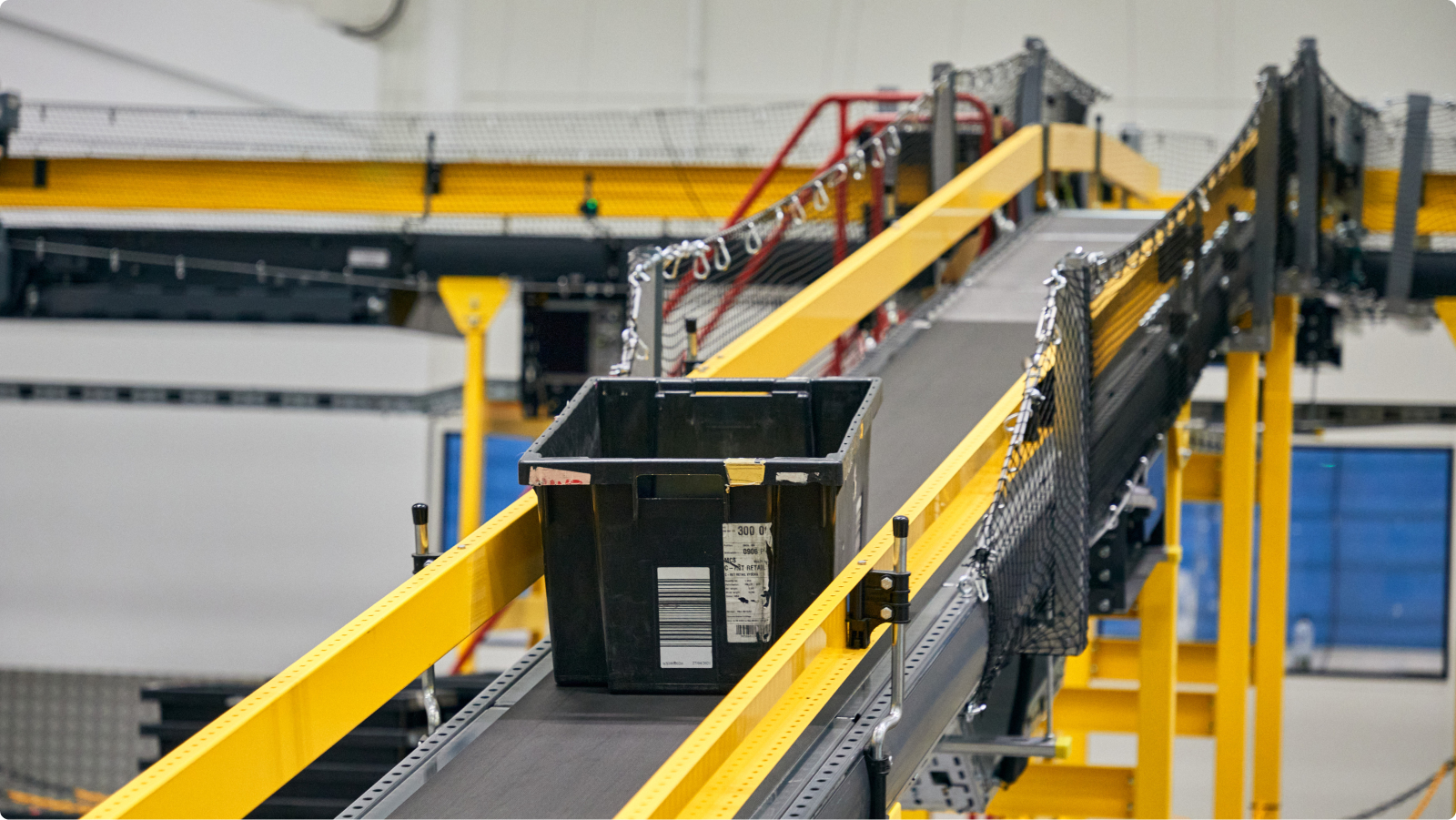
EDI4 is Amazon’s largest returns centre in the UK. The numbers alone tell the story: 1.5 million square feet of space, 4.5 kilometres of conveyor belts snaking through the building, and up to 3,000 colleagues working to process 70% of all Amazon returns in the UK.
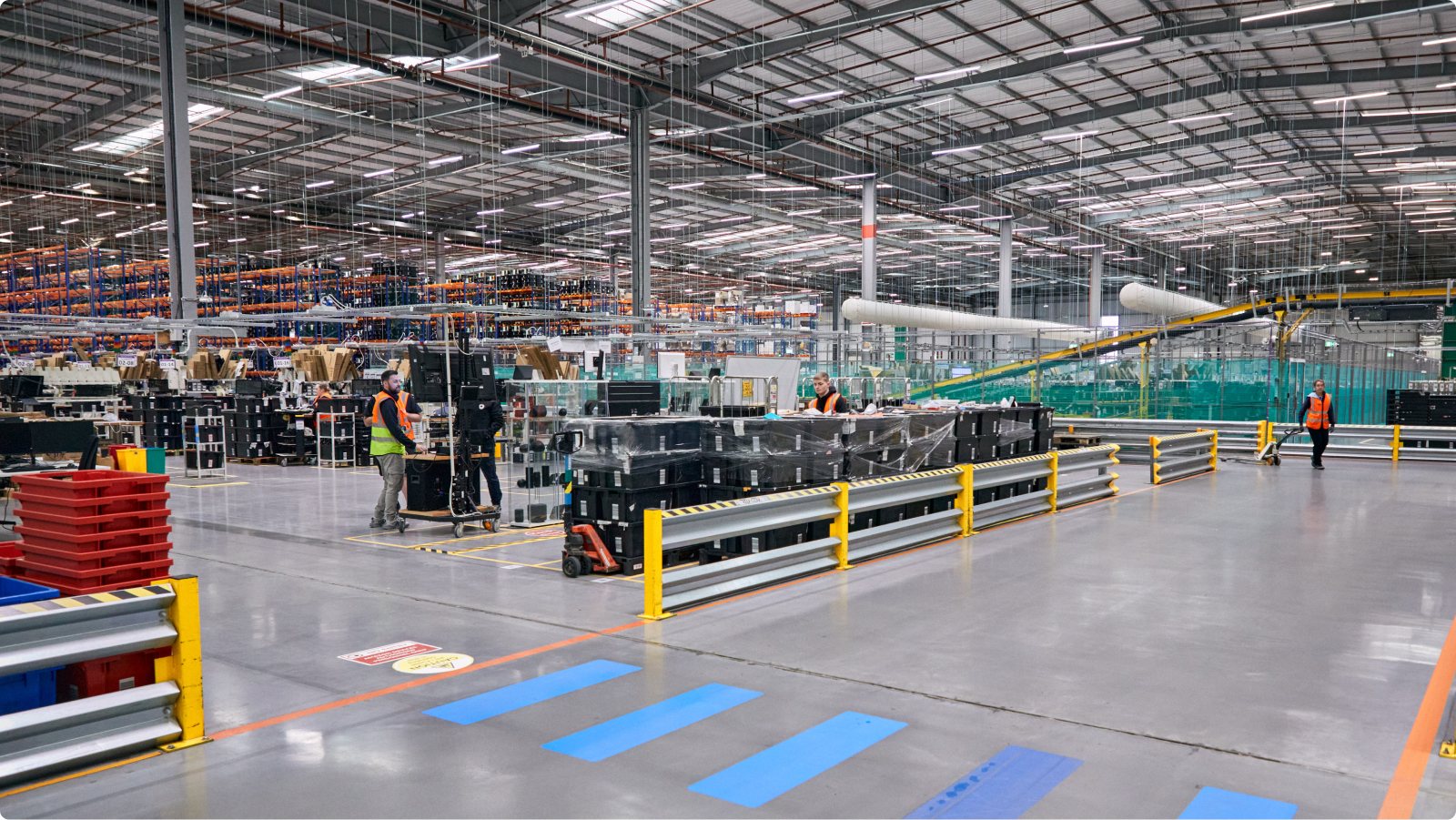
But EDI4 isn't just big—it's specialised. The site houses specially trained staff and dedicated equipment for handling the trickier stuff: phones, laptops, drones, and other high-value electronics that demand specialist knowledge.
The first step: unpacking and sorting your return
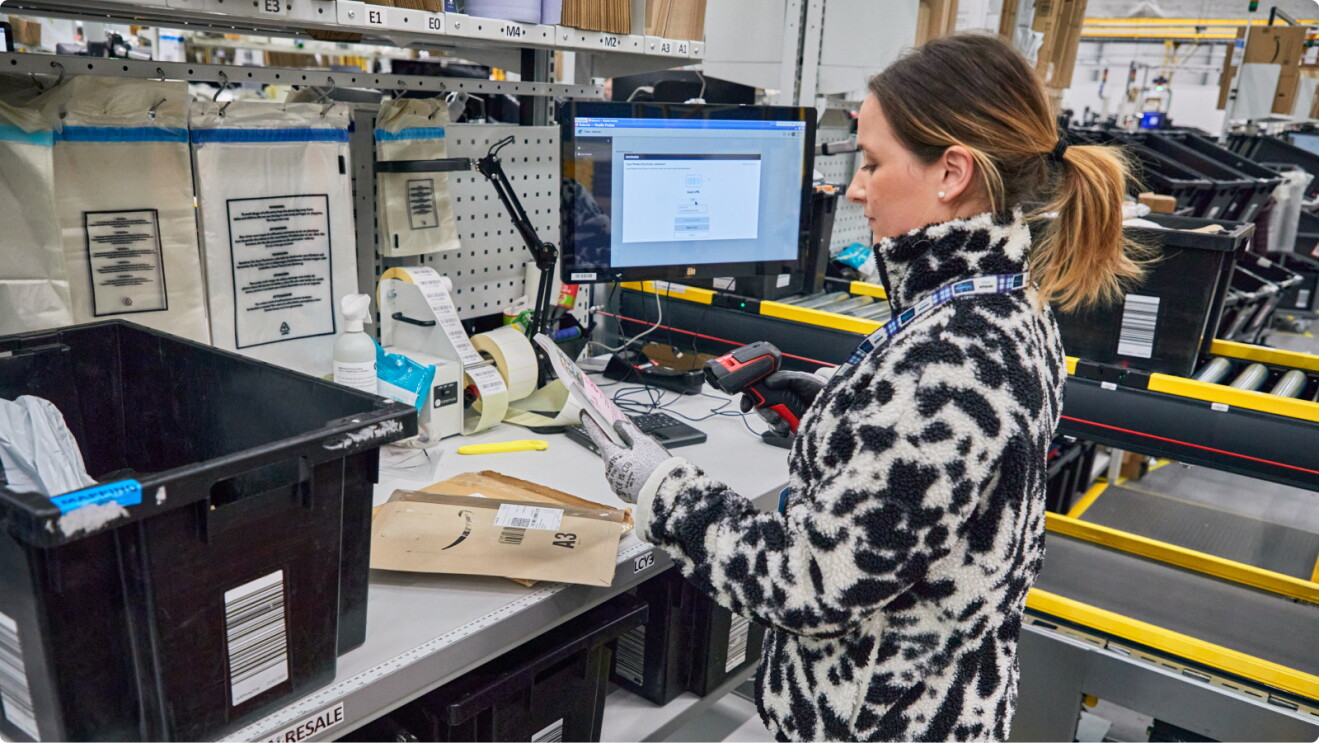
Upon arrival at the returns centre, your returned product is placed on a conveyor belt and whisked along to a team member waiting to “decant” it at their workstation.
This team member scans the specialised shipping label, matching the physical item with your return in Amazon's system. They then check to make sure the correct item has been returned and puts it into the correct product category.
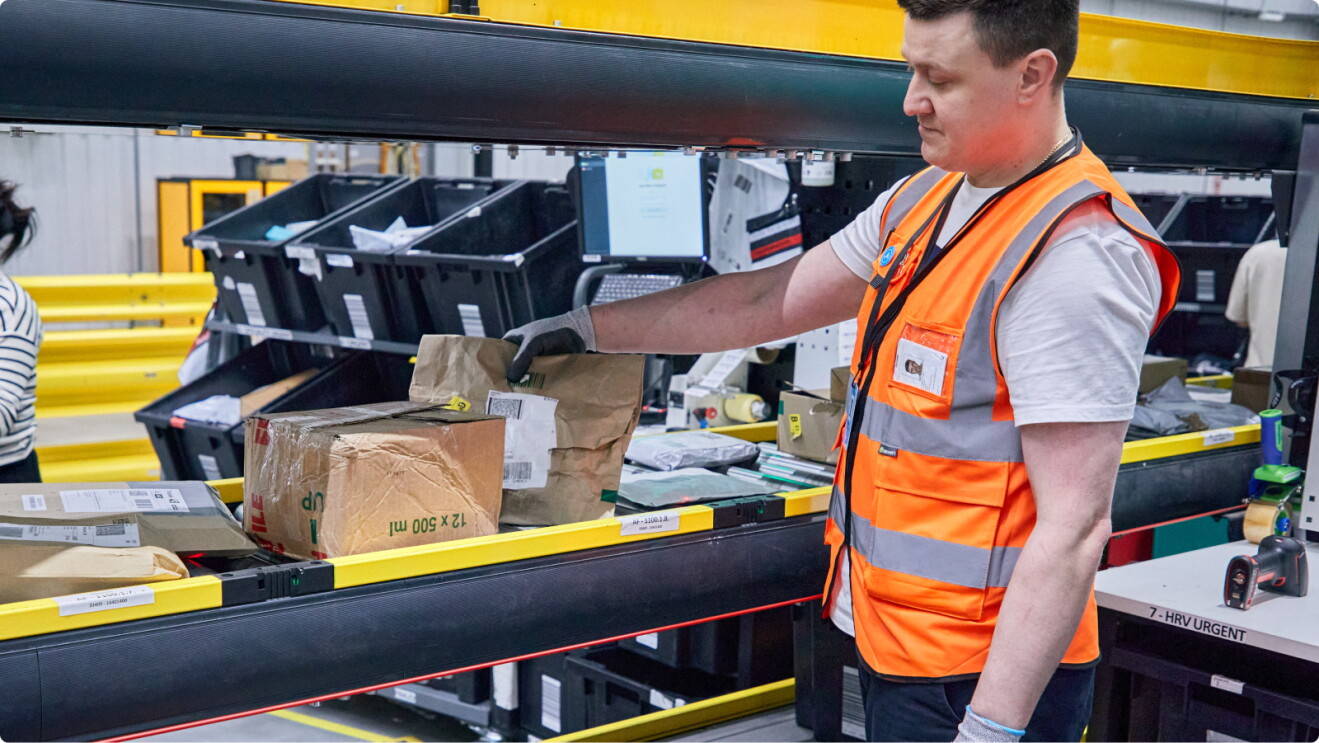
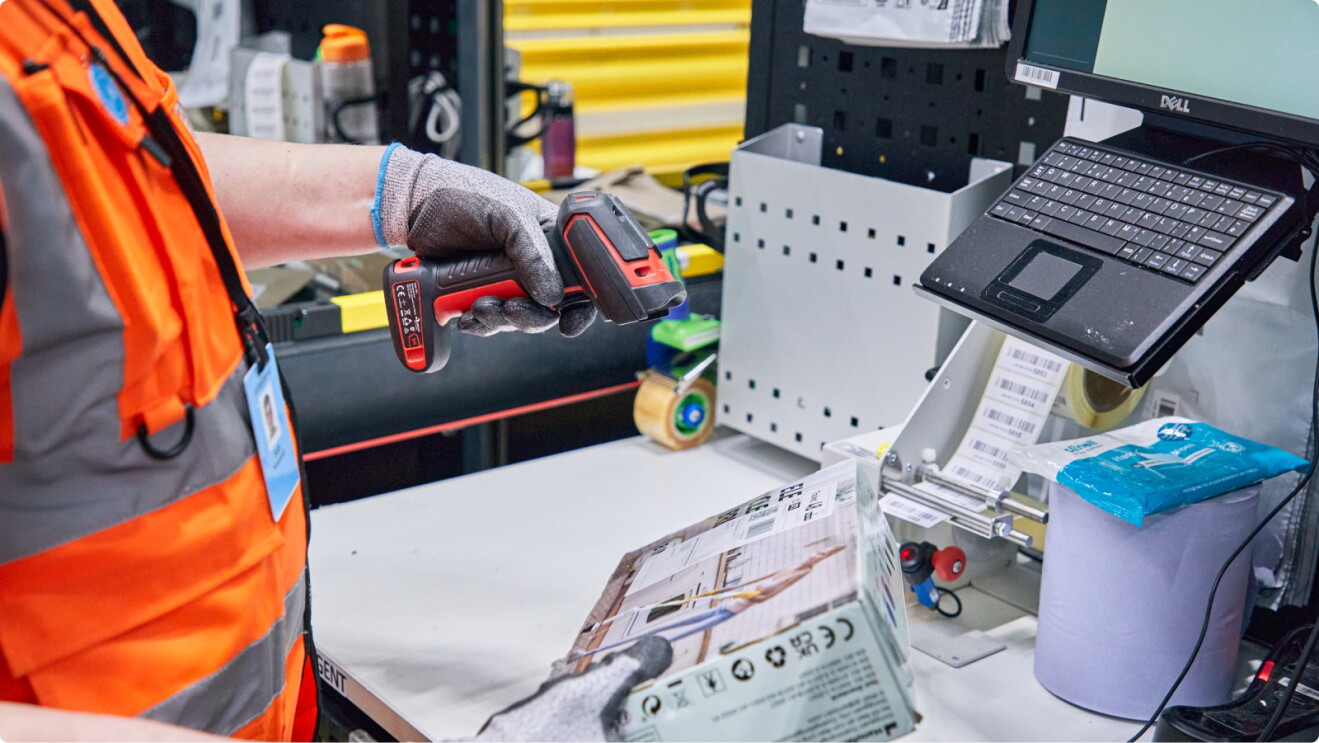
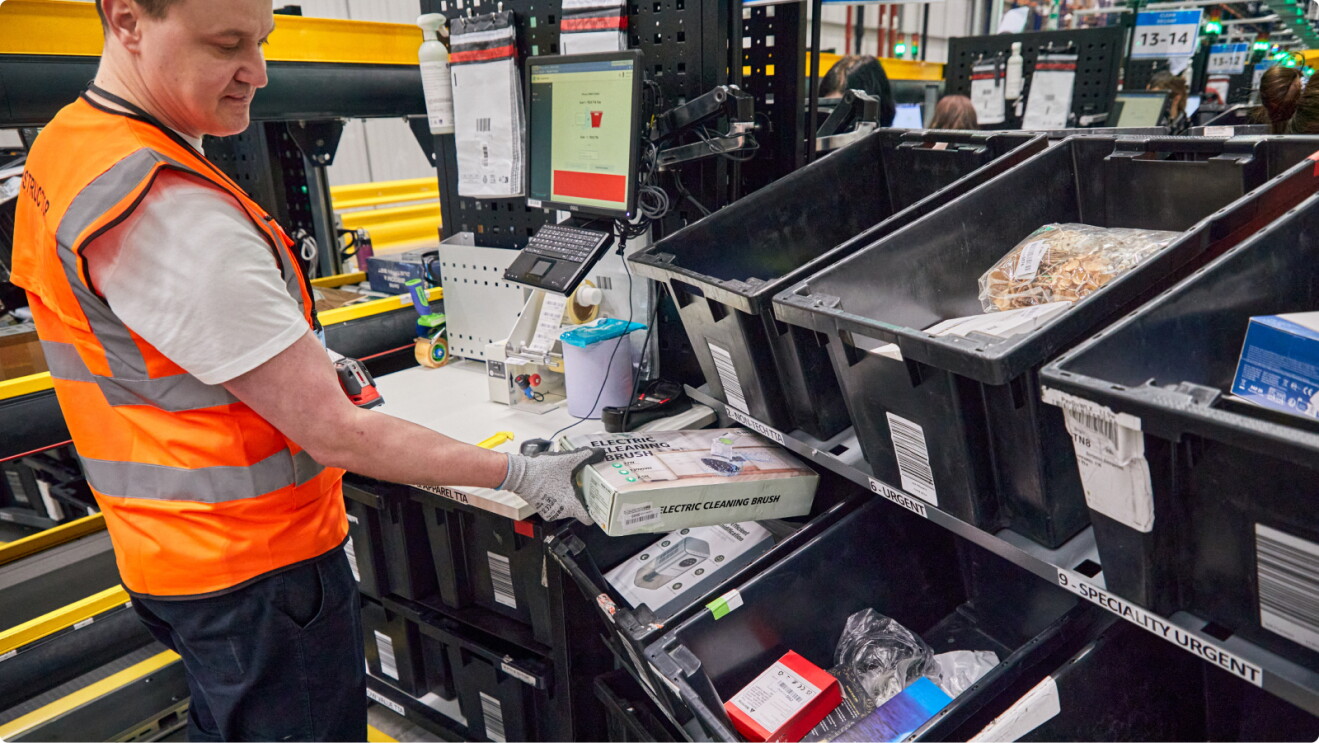
After the item has been decanted and sorted, it will be passed onto another colleague who will assess its condition by answering a series of questions such as: are there signs of use? Is it still sealed? Is it damaged?
Depending on their answers to these questions, our machine-learning systems will automatically place it in one of the following groups:
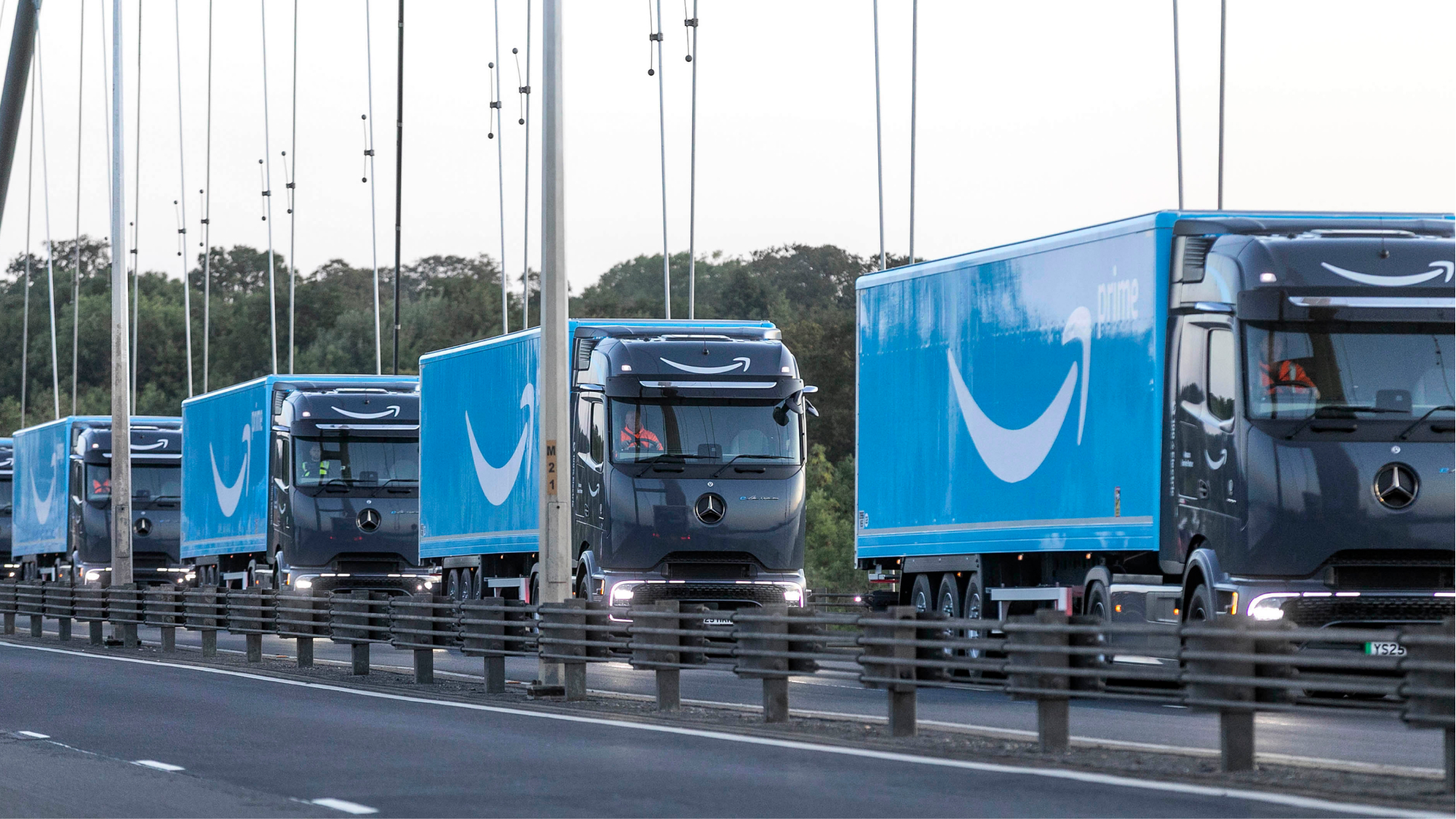
- Items in pristine condition: These items are unused or unopened, meaning they can go back onto Amazon’s shelves for another customer. Many returns fall into this category.
- Amazon Resale: Items that are nearly new, with damaged packaging or minor cosmetic imperfections, may be suitable for Amazon Resale, where they’ll be sold at a discounted price. These items receive a more detailed grading later in the process.
- Charity donation or secondary market: If a product can’t be sold as new or through Amazon Resale, it can be donated to one of our charity partners to help those in need or sold into secondary markets, often via auction by one of our partners.
- Recycling and energy recovery: Sometimes it’s immediately clear that an item is unsellable or hazardous, such as shattered glass or those leaking liquids. These items are routed for recycling or energy recovery, an environmentally controlled process that generates electricity and provides an alternative to landfill.
Once the colleague has inspected the item and it has been assigned a category, it moves swiftly to the next person for the next stage of processing.
X-rays and flying drones: How Amazon tests returned electronics
High-value electronics like iPhones, drones, and laptops require specialised handling—regardless of their apparent condition—and this is where some impressive tech comes into play.
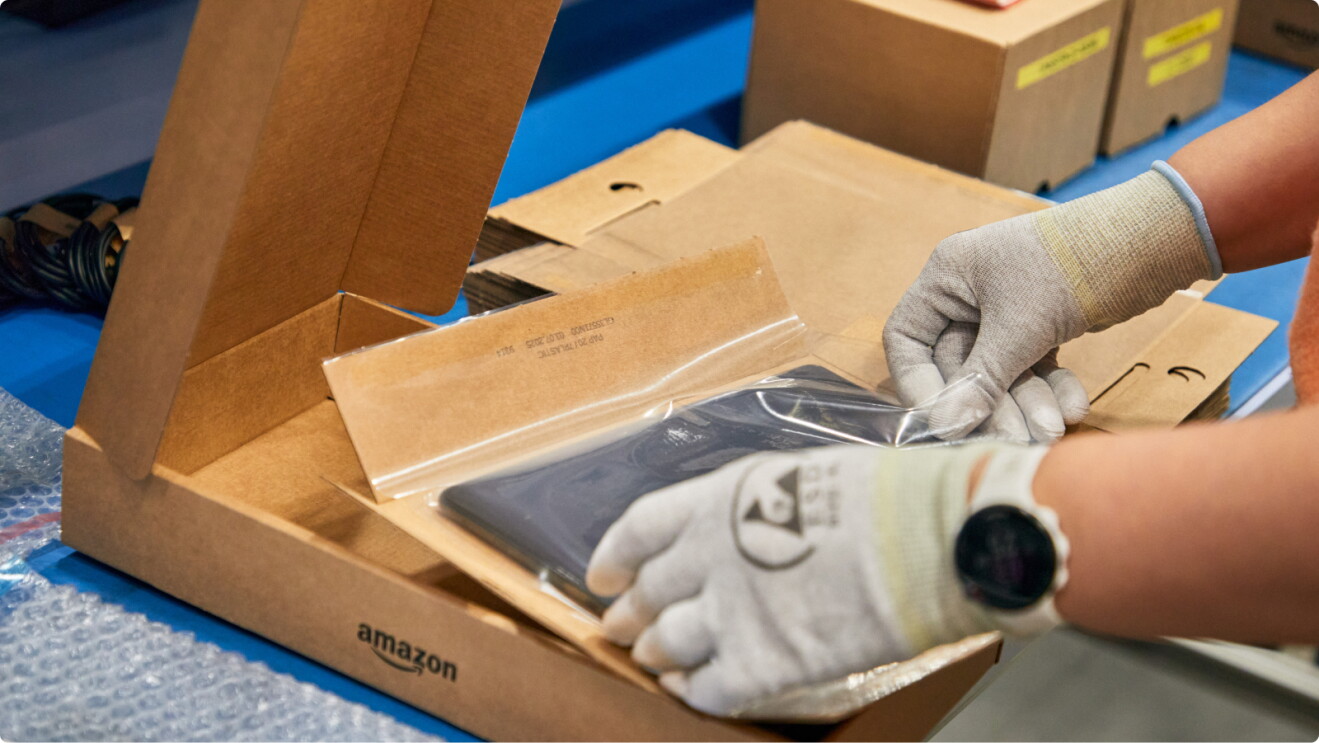
EDI4 houses a dedicated tech assessment area equipped with sophisticated X-ray technology. Trained colleagues use these machines to see inside returned electronics—a hugely important part of our work to detect counterfeits, spot unauthorised repairs, and identify potential security risks.
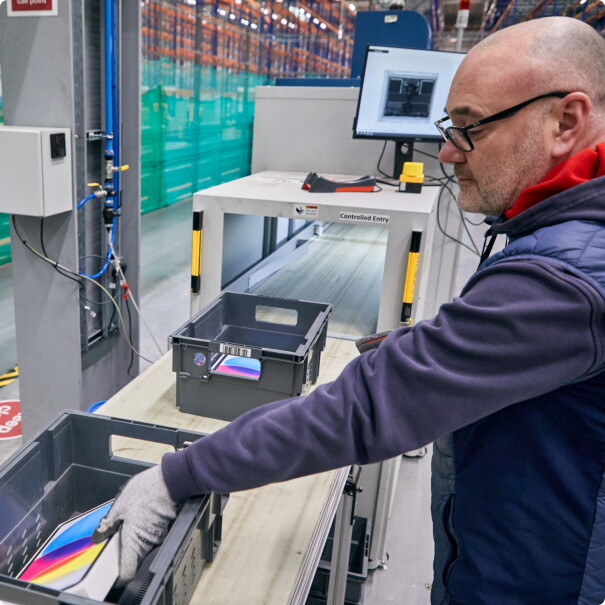
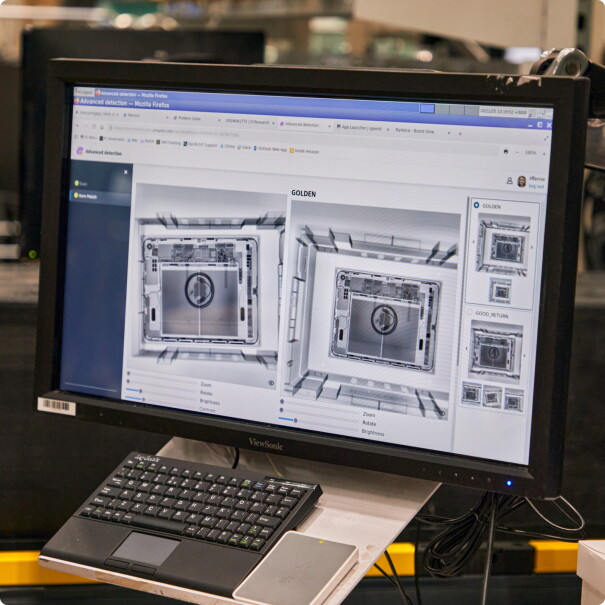
After passing the device through the X-ray machine, the associate then compares the resulting image against a 'golden image'—a previous scan of a verified, working device. Side-by-side comparison makes discrepancies immediately visible.
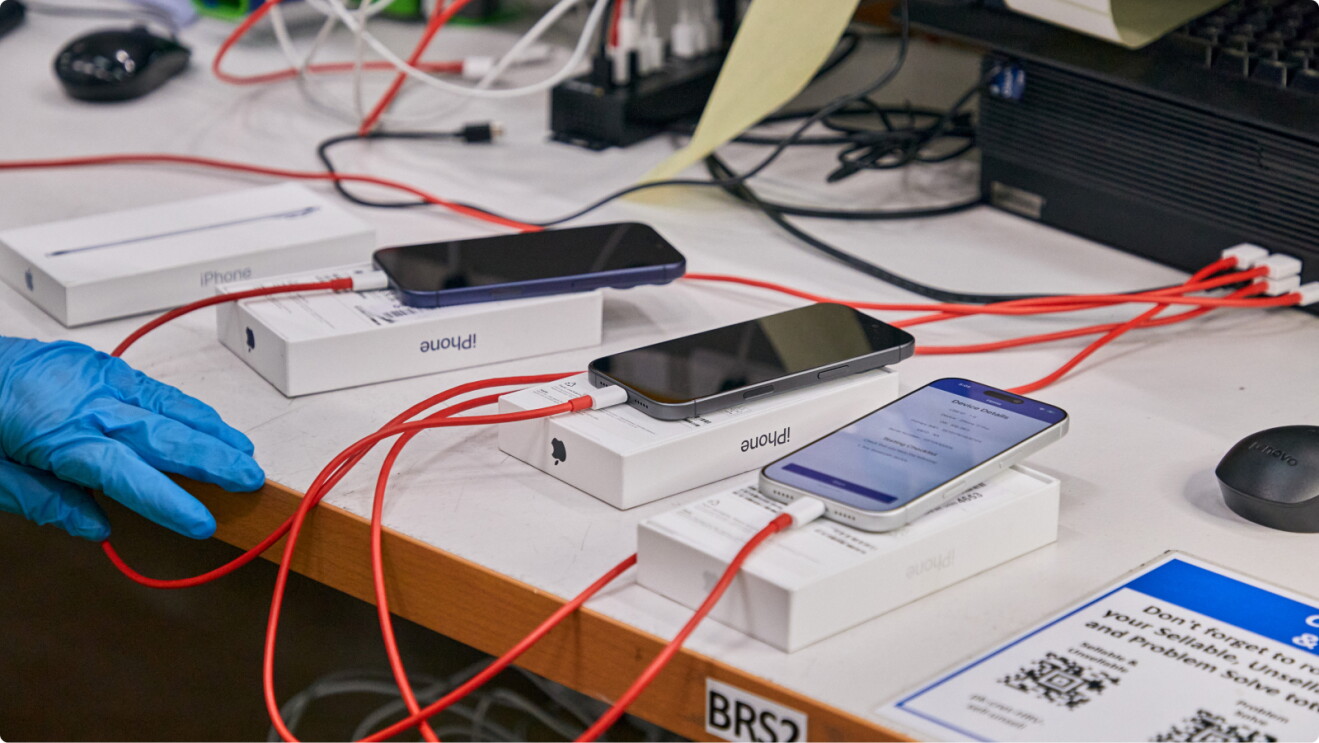
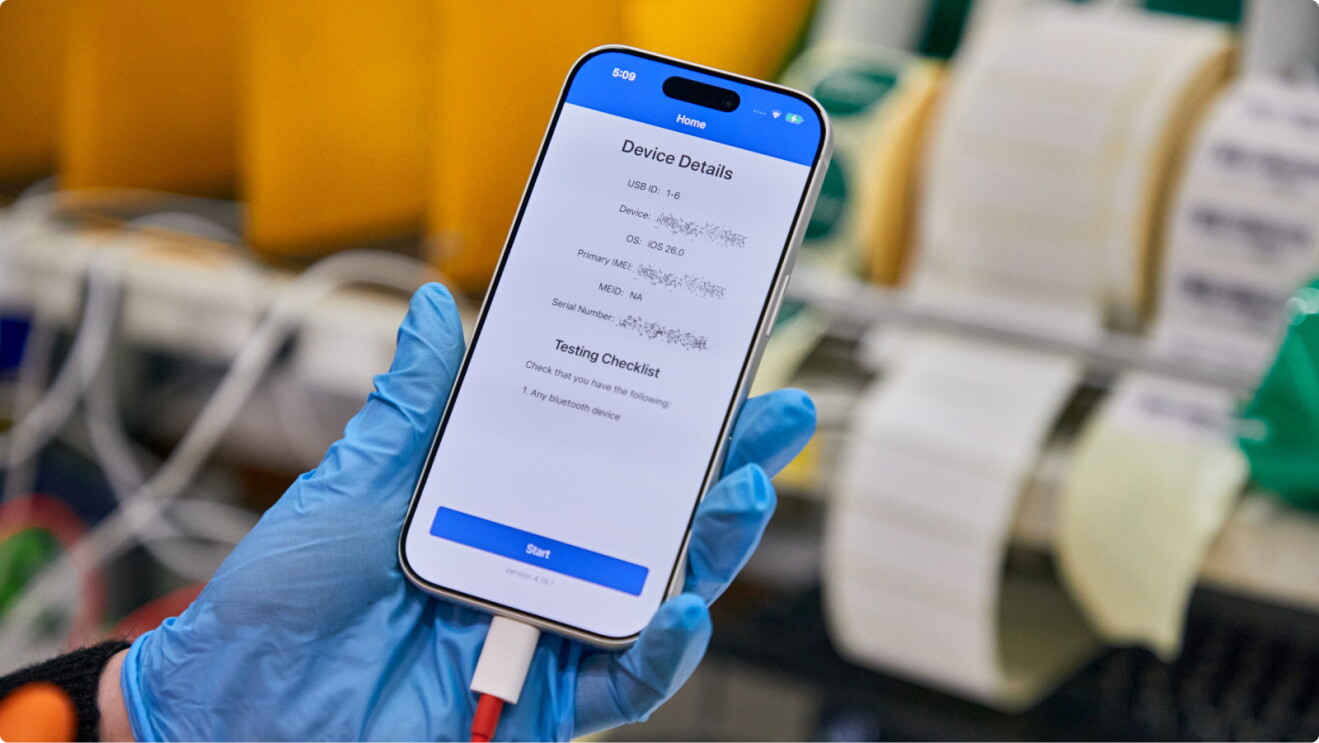
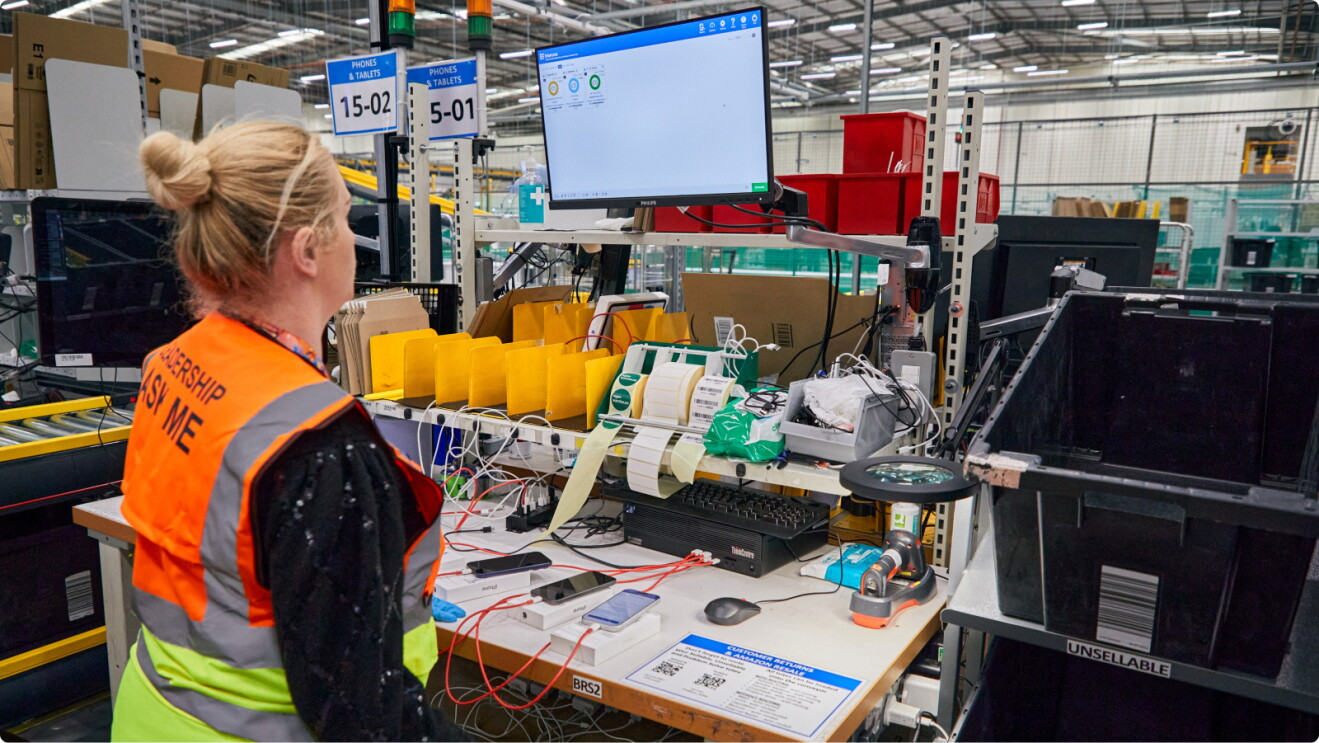
Every return is carefully checked for customer data and all data is always removed. At specialised phone-testing stations, associates hook devices up to testing equipment and meticulously assess everything from microphone and speaker quality to camera performance, call functions, battery health, and Touch ID/Face ID responsiveness.
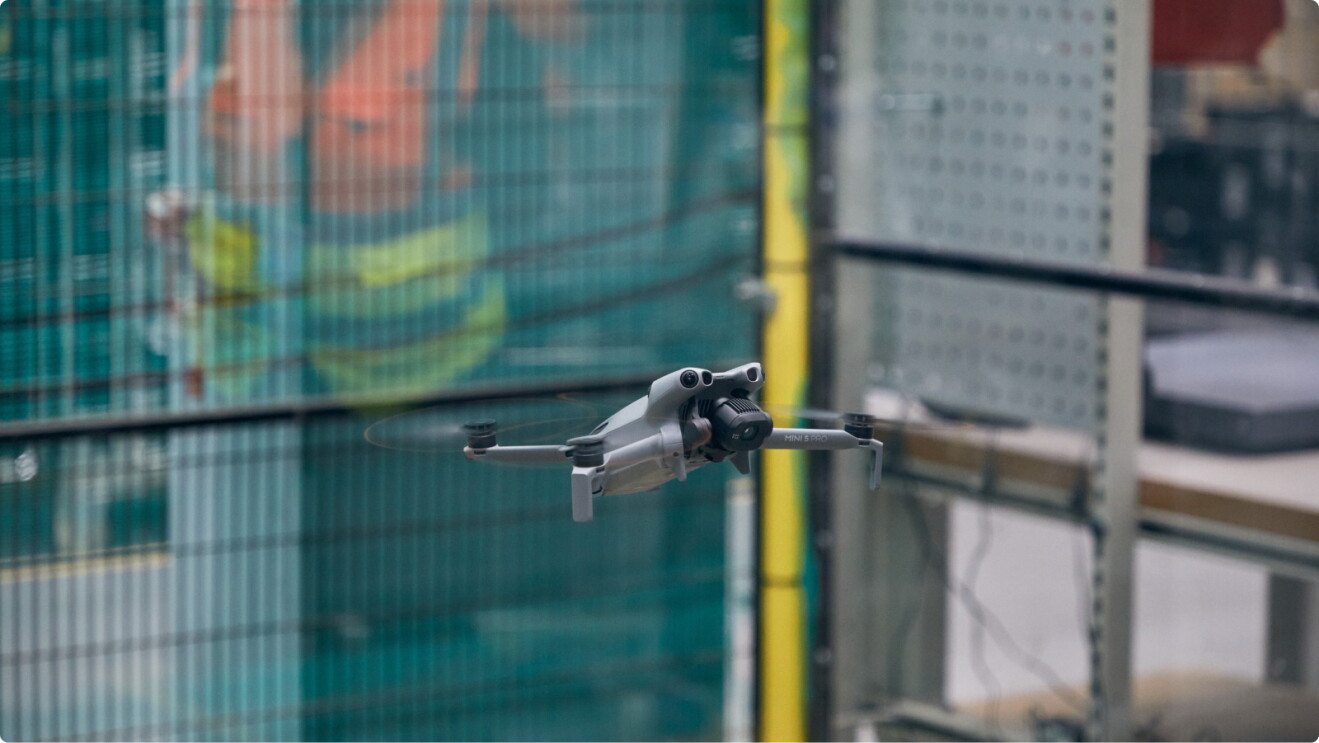
But perhaps most impressive is the drone-testing cage, where colleagues fly returned drones to check battery performance, camera functionality, and stability.
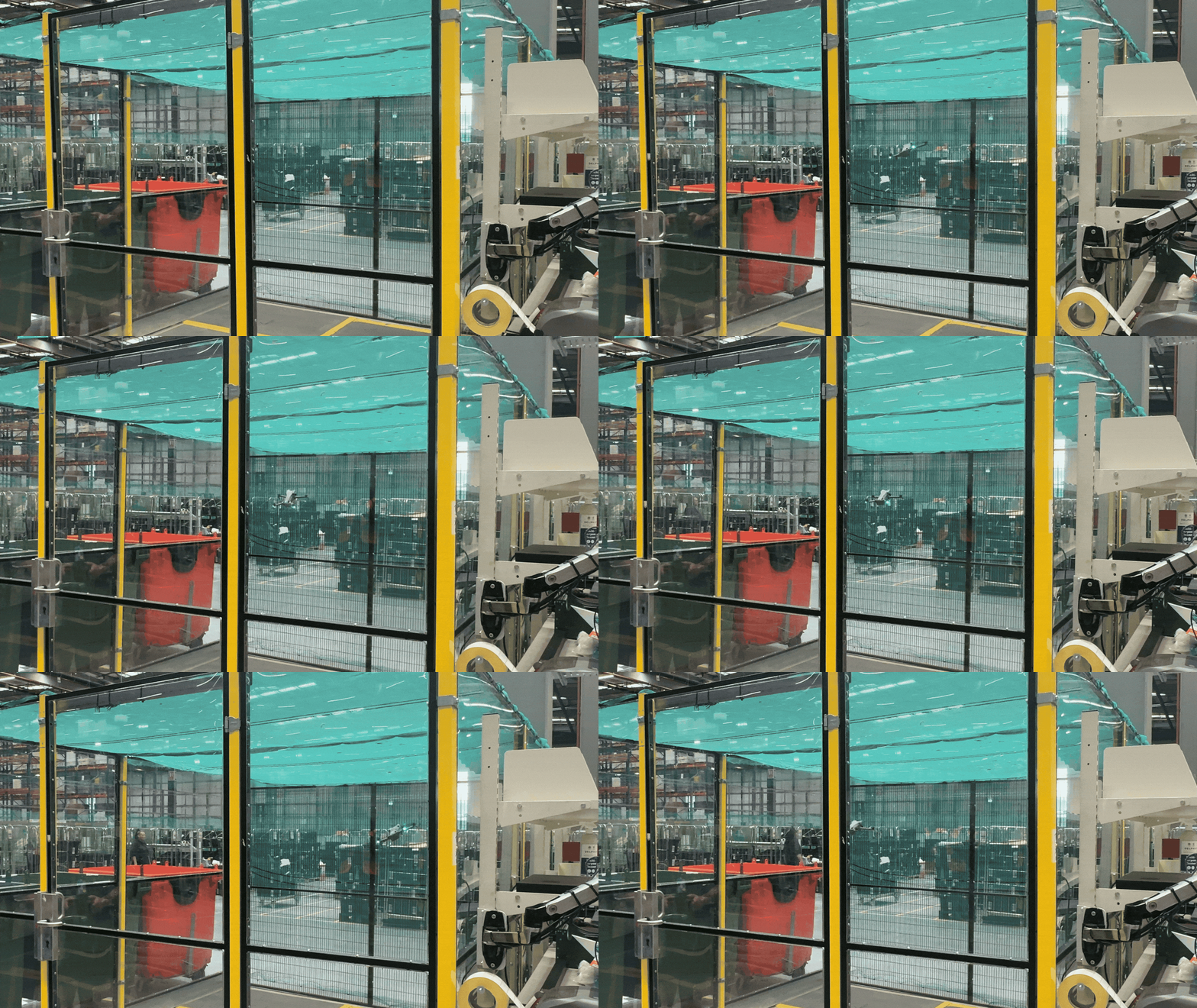
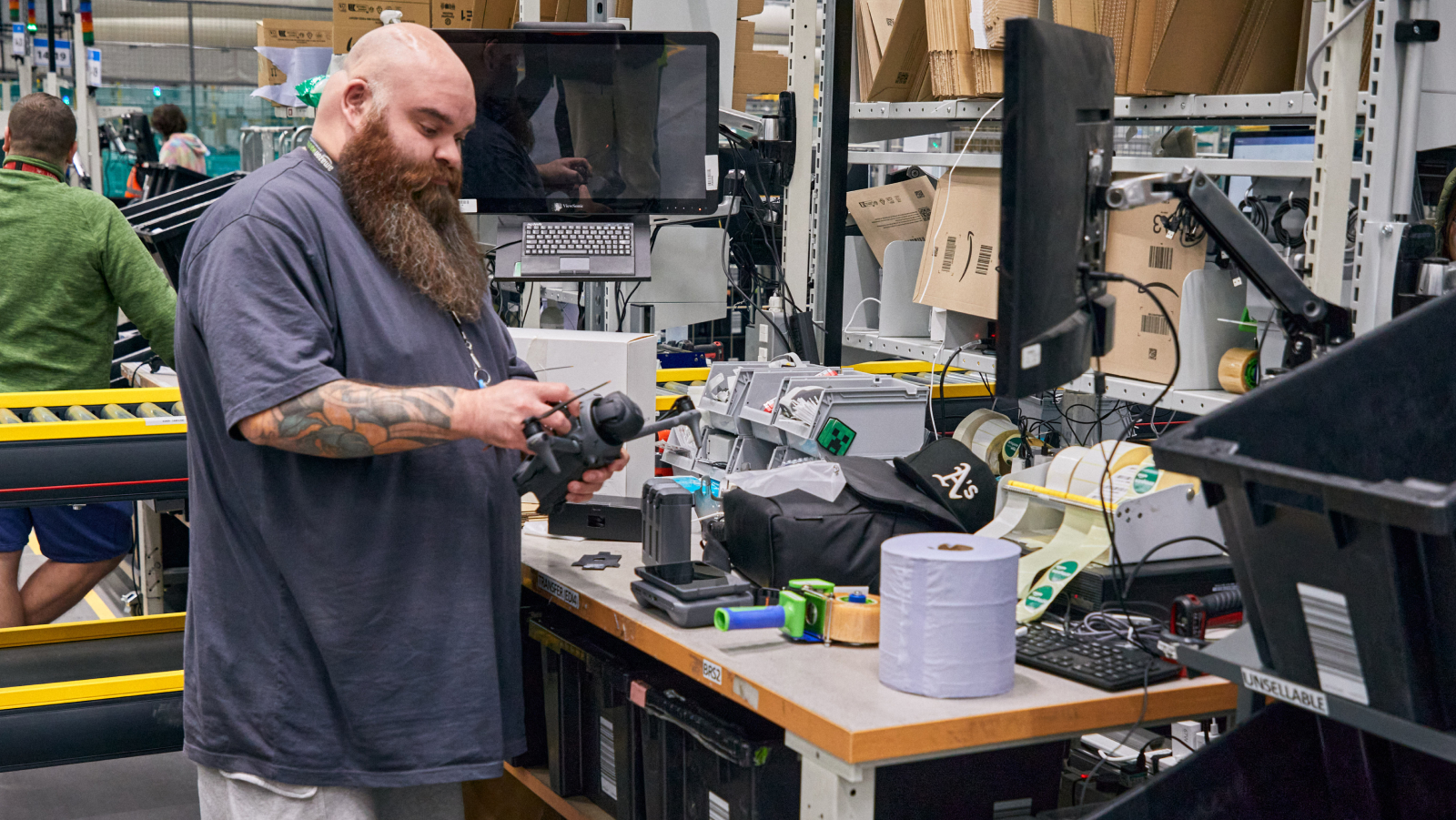
Pete, a repairs associate who works on everything from cameras to drones, explains: "We can safely fly anything from tiny palm-sized drones up to camera-equipped quadcopters. I've got so deep into it that I've passed the test to become a registered drone operator. I love flying drones in my spare time, and it really helps that I've learnt how to fix them at work."
Putting pristine products back on virtual shelves
If your returned item is in perfect condition—original packaging sealed with no signs of use —it takes the fastest route back to customers.
After being marked as suitable for resale during decanting, these items move to team members who ensure the packaging looks brand new. This involves removing old labels and residue using a hairdryer and chemical solution—a simple yet effective method. The item will also be cleaned if needed and fresh security seals are applied.
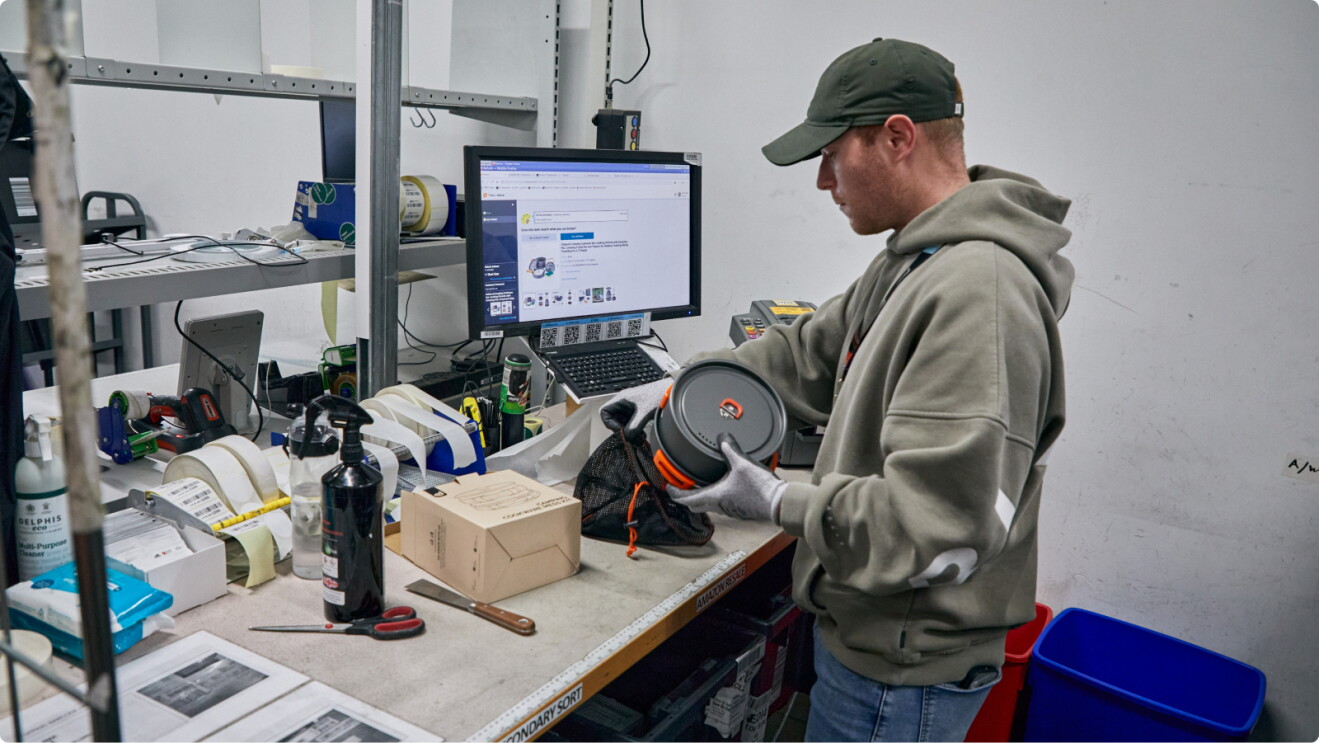
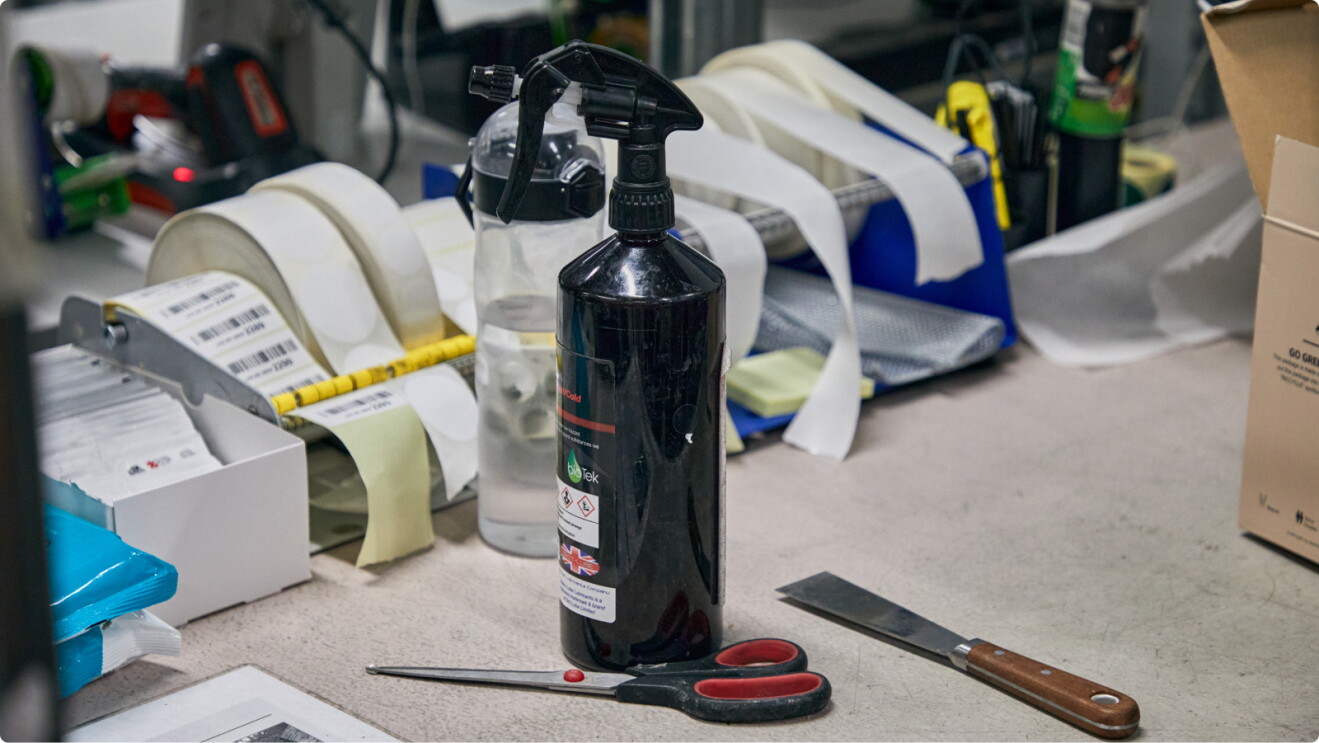
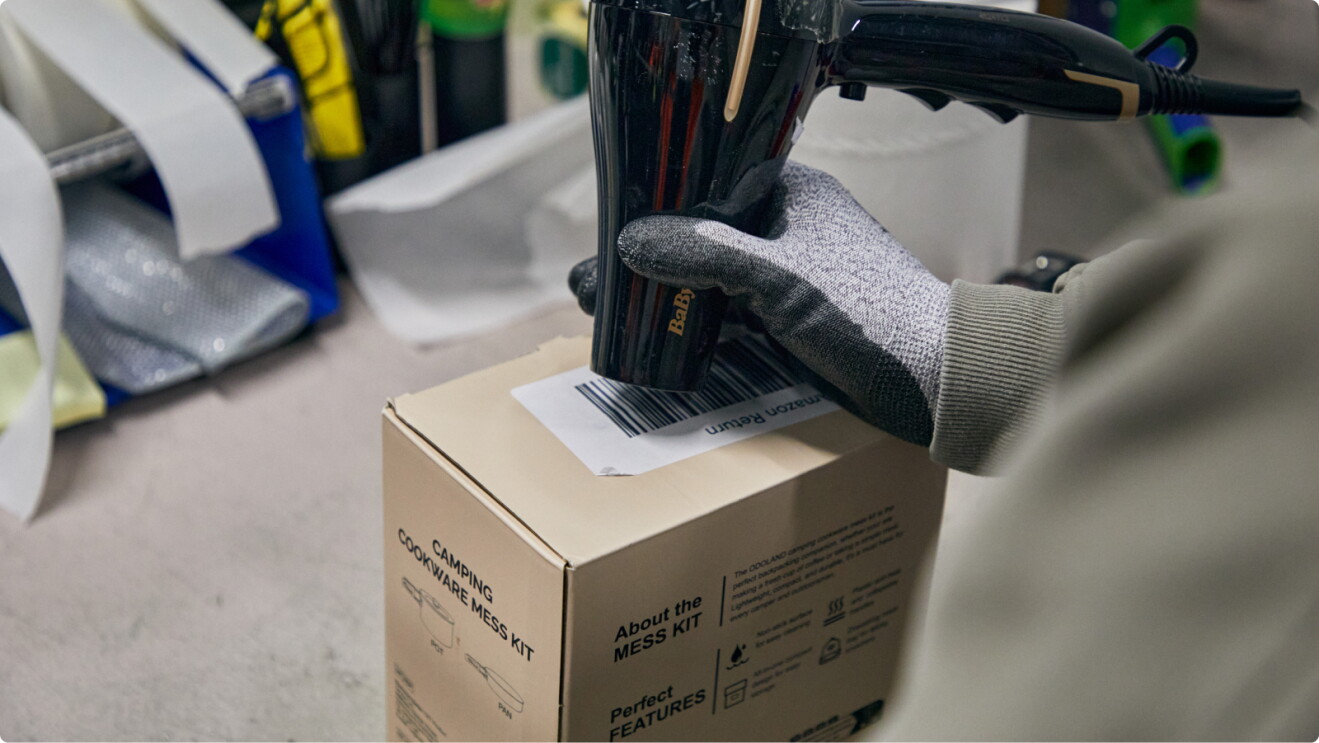
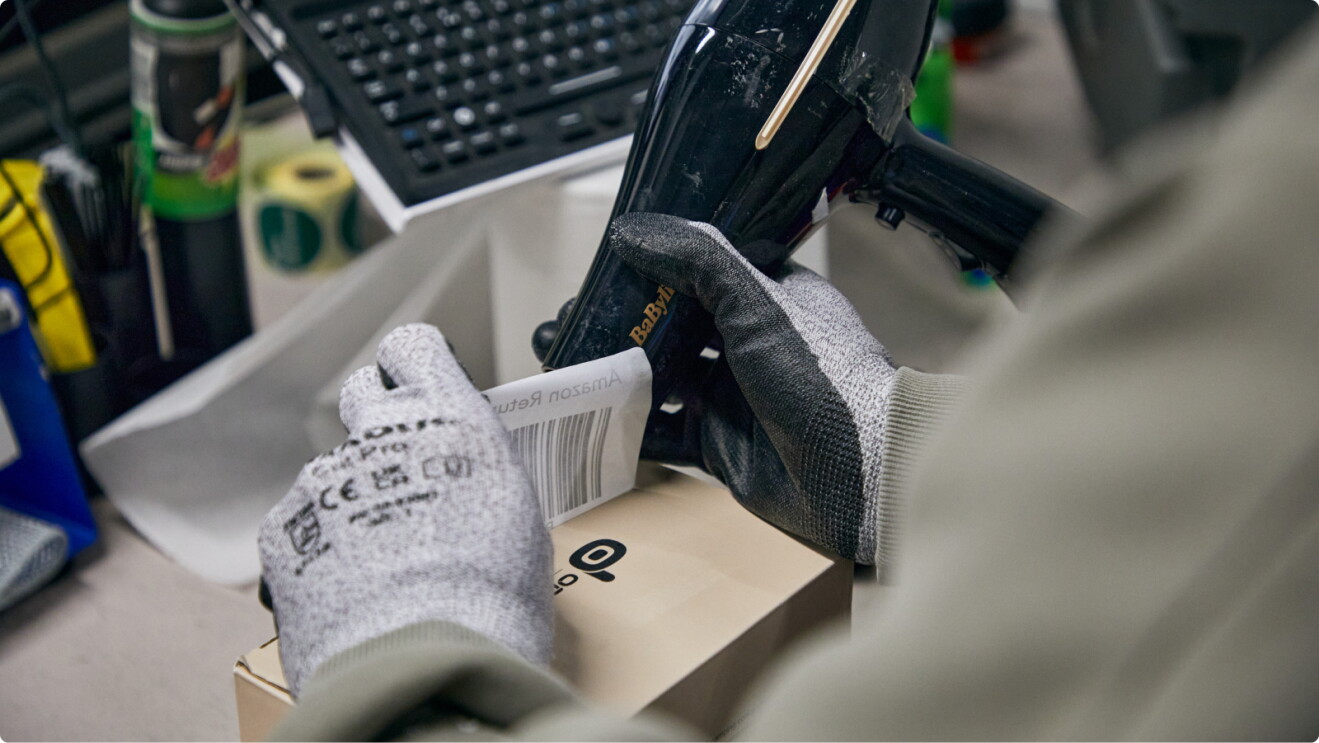
Almost ready for resale, the item will then reach a third colleague for final inspection. They verify the label removal, confirm its 'new' condition, pack it for shipping, and then enter it into the system as new inventory. From there, it's off to one of our fulfilment centres, ready to find a new home with another customer.
What is Amazon Resale and how are products assessed?
Formerly known as Amazon Warehouse, Amazon Resale is part of Amazon Second Chance, where customers can shop for quality returned and refurbished products. It’s a great place to find deals on items priced according to their condition.
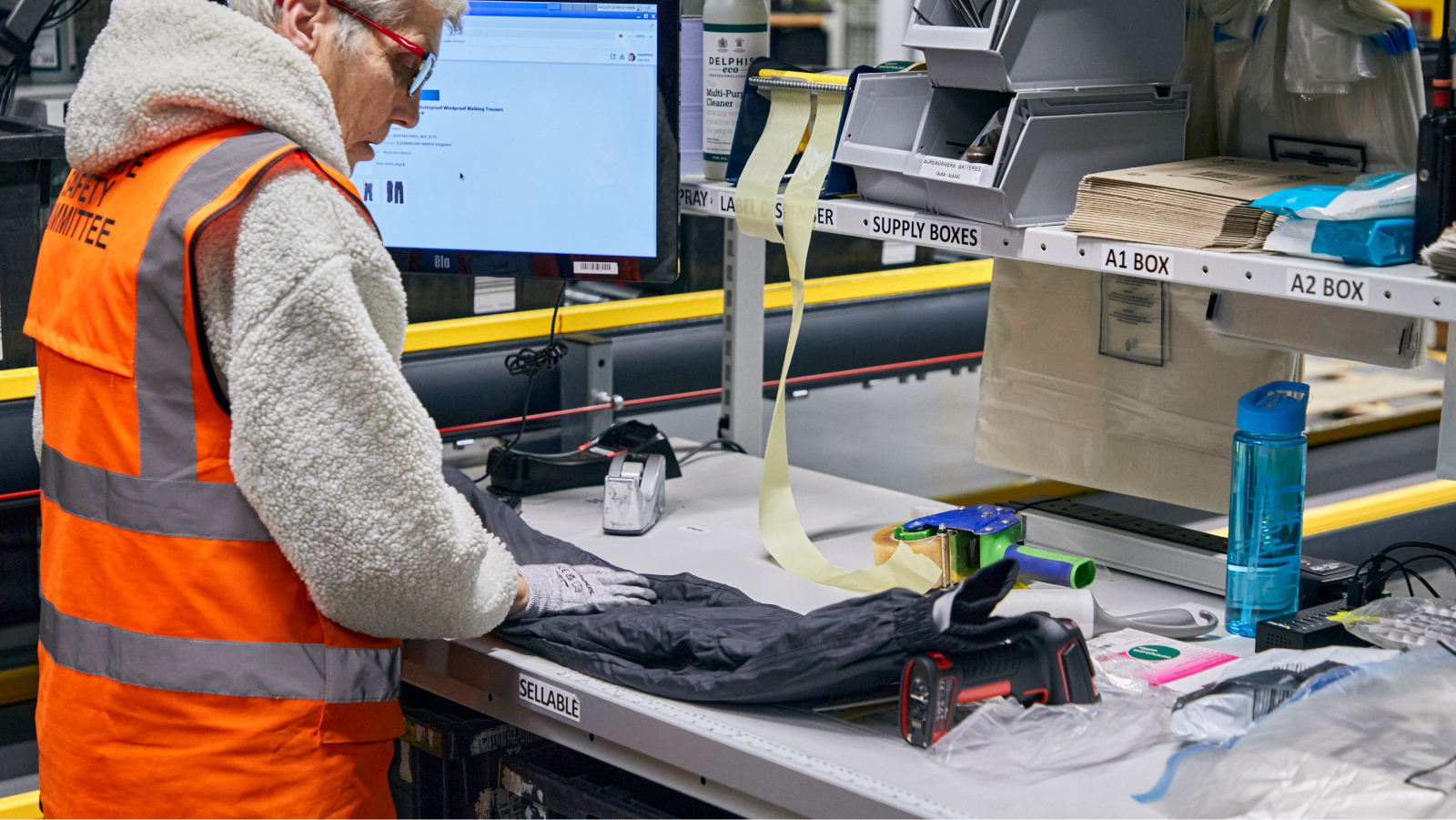
Through Amazon Resale, pre-owned products that can’t be sold as new are given a second chance. These items are fully functional but may show signs of wear, have damaged packaging, or be missing some accessories.
Once our systems route an item to Amazon Resale—and after any necessary authentication, technical checks, or data wiping—it moves on to a specialist who might carry out some light repairs before examining it and assigning it one of four condition grades:
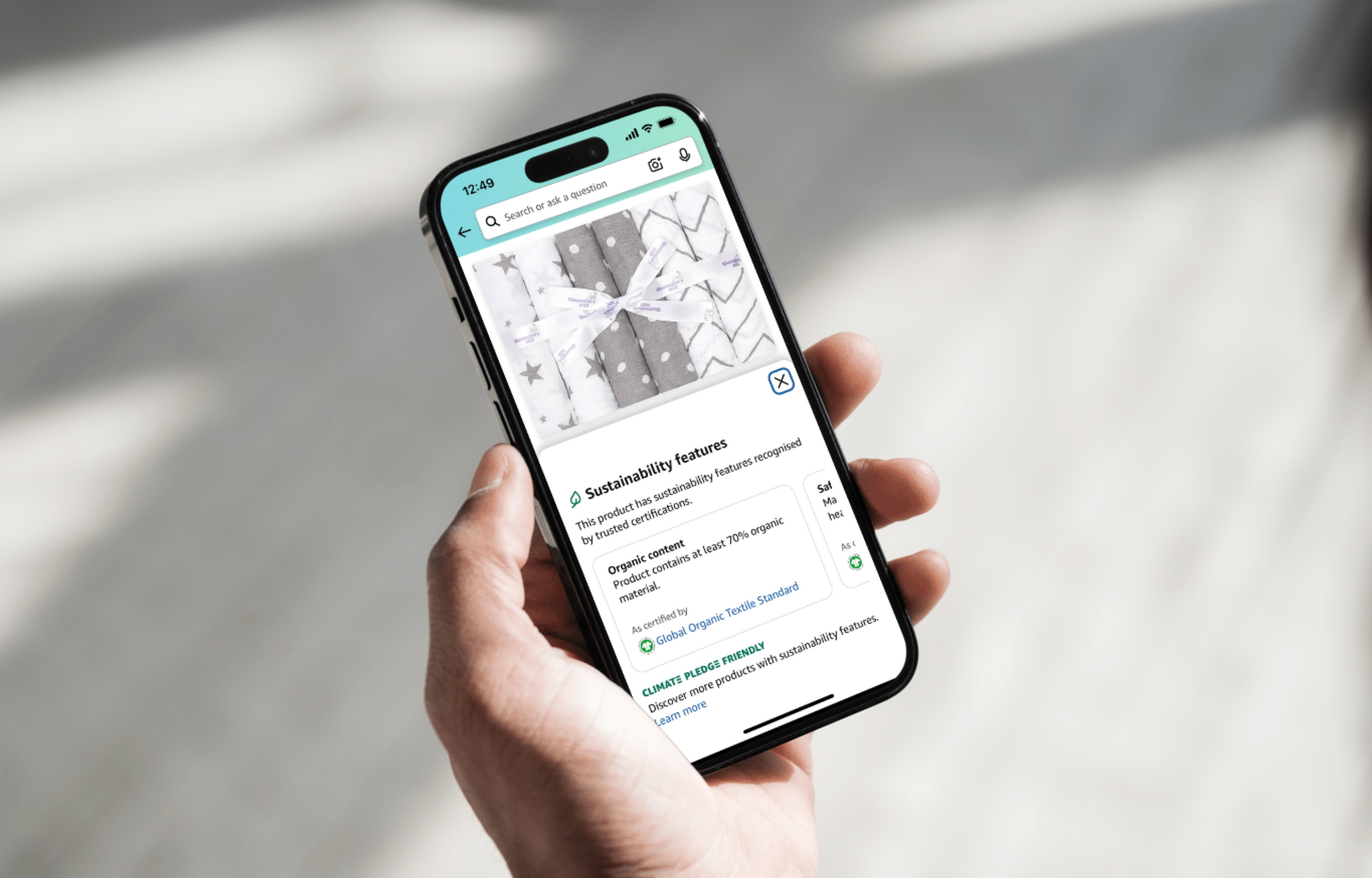
- Used - Like New: These items are in perfect working order, show minimal-to-no signs of use, have all accessories. The packaging might be damaged.
- Used - Very good: These items might have minor cosmetic imperfections but are otherwise in excellent working condition. They might be missing non-essential parts and there might be light signs of use.
- Used - Good: These items show signs of moderate use but are fully functional. They might have cosmetic damage, be missing accessories, and the packaging might be damaged.
- Used - Acceptable: These items show heavy signs of wear but are still fully functional. There is visible cosmetic damage and accessories might be missing. Packaging might also be damaged.
After being categorised, the team member thoroughly documents any defects in the system and prepares the item for resale: it receives a final clean, protective packaging if required, and an Amazon Resale label.
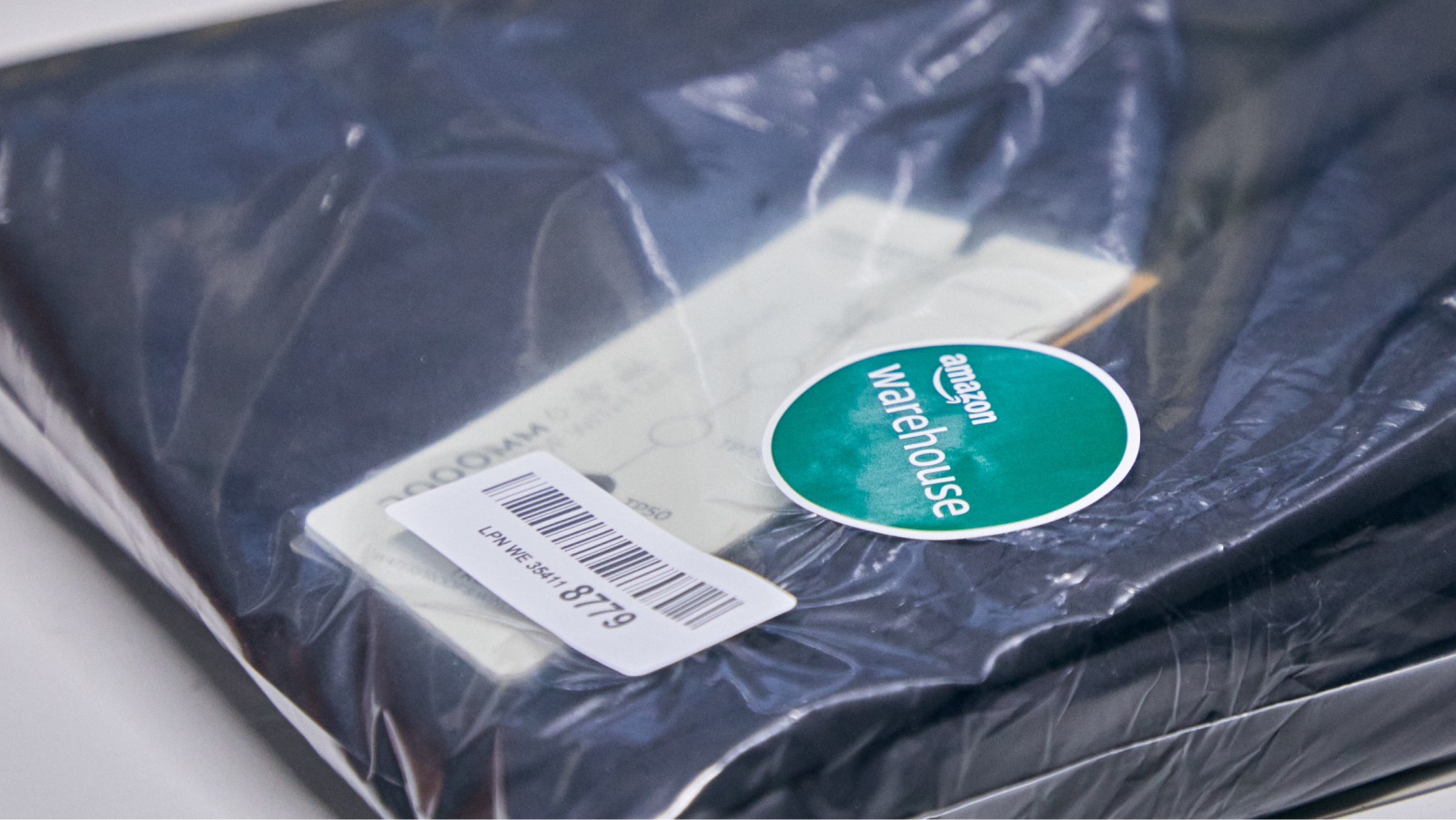
The last step in the journey is reintegration into Amazon’s inventory. The item is shipped back to a fulfilment centre and listed on Amazon.co.uk with its condition grade and any relevant notes—such as missing parts or cosmetic imperfections—so customers know exactly what to expect when they choose a pre-owned product.
Helping those in need through charitable donations
We’re proud to say that we donate millions of items to charity. In 2024, over 15 million items were donated to our charitable partners across the UK—including many returns.
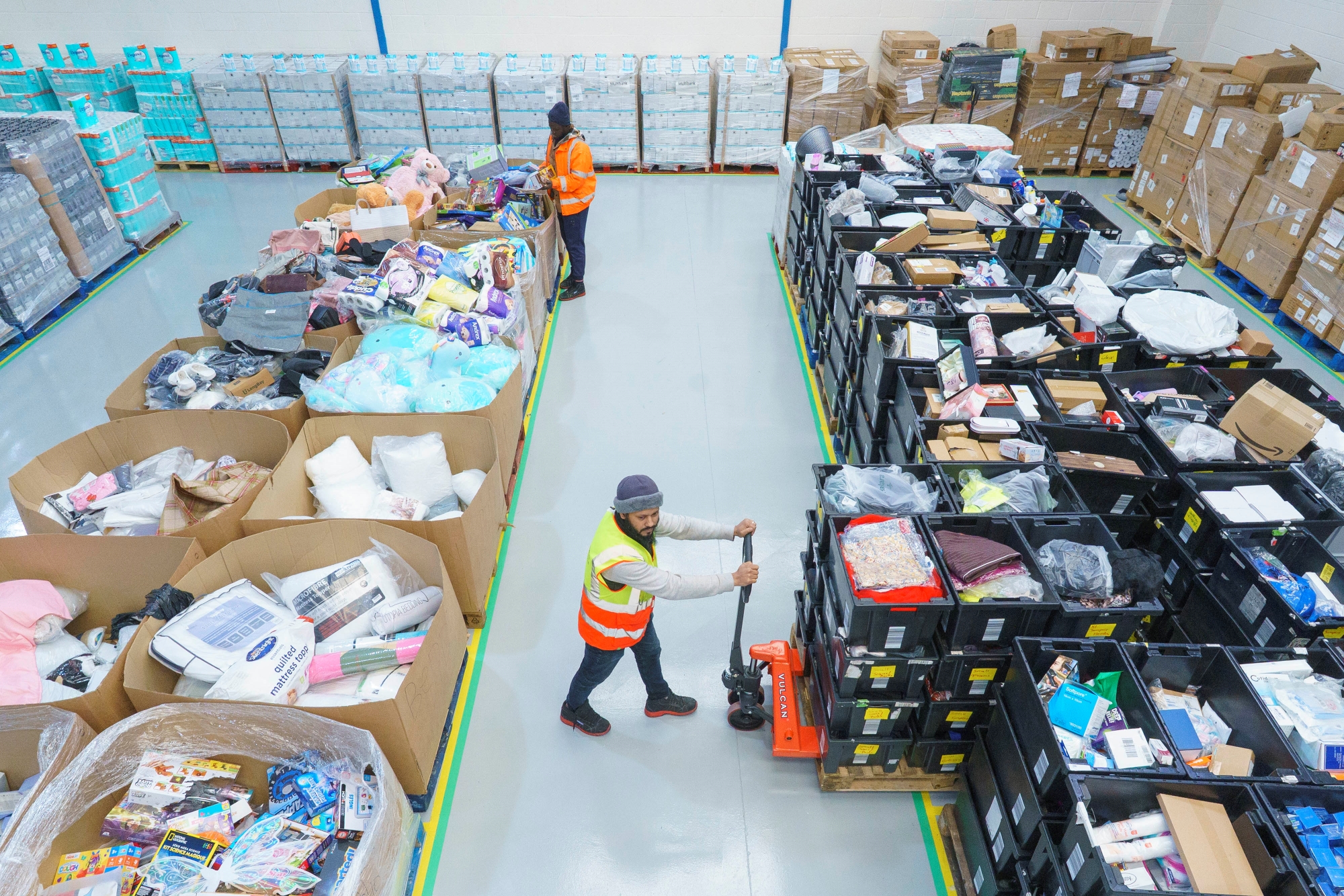
During the assessment process, colleagues identify items suitable for donation. These might include products with cosmetic damage, items missing non-essential accessories, or perfectly functional goods that simply can't be resold for other reasons. The key factor is that they're still usable and could benefit someone in need.
One of our key partners is The Multibank. Amazon helps to run the Multibank, a charitable redistribution network that works with multiple charities to donate essential items to families in need. Since launching in 2022, The Multibank network has donated more than 12 million essential items to help more than 800,000 families across the UK.

Other charities that often receive goods donated by Amazon include The British Heart Foundation, In Kind Direct, Barnado’s, and Age UK.
This approach serves multiple purposes. It reduces waste, supports communities by providing essential items to those facing hardship, and keeps products in circulation. Most importantly, it means products that began their journey as customer returns can still fulfil a valuable purpose—just with a different ending than originally planned.
A circular approach to returns
We’ve designed our shopping experience to help you buy with confidence—from detailed product pages and customer reviews to innovations like Rufus, our AI shopping assistant. Still, we know things don’t always go to plan: a colour looks different in person, a size isn’t quite right, or you simply change your mind. And that’s okay.
From the moment you drop off a return to its eventual destination—whether that's back on Amazon's shelves or with a family who needs it through charity donation—every item sent to one of our returns centres follows a carefully managed journey.
It's a process most customers never see, but one that plays a crucial role in making Amazon’s operations more sustainable. The next time you initiate a return, you can be confident Amazon’s dedicated team will work to ensure it doesn’t go to waste. So that jumper that didn’t suit you? It might already be on its way to becoming someone else's perfect fit.
Read more of the latest news at Amazon.
Stories we think you’ll like